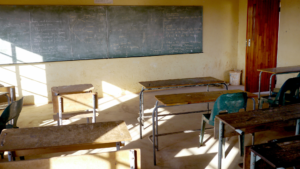
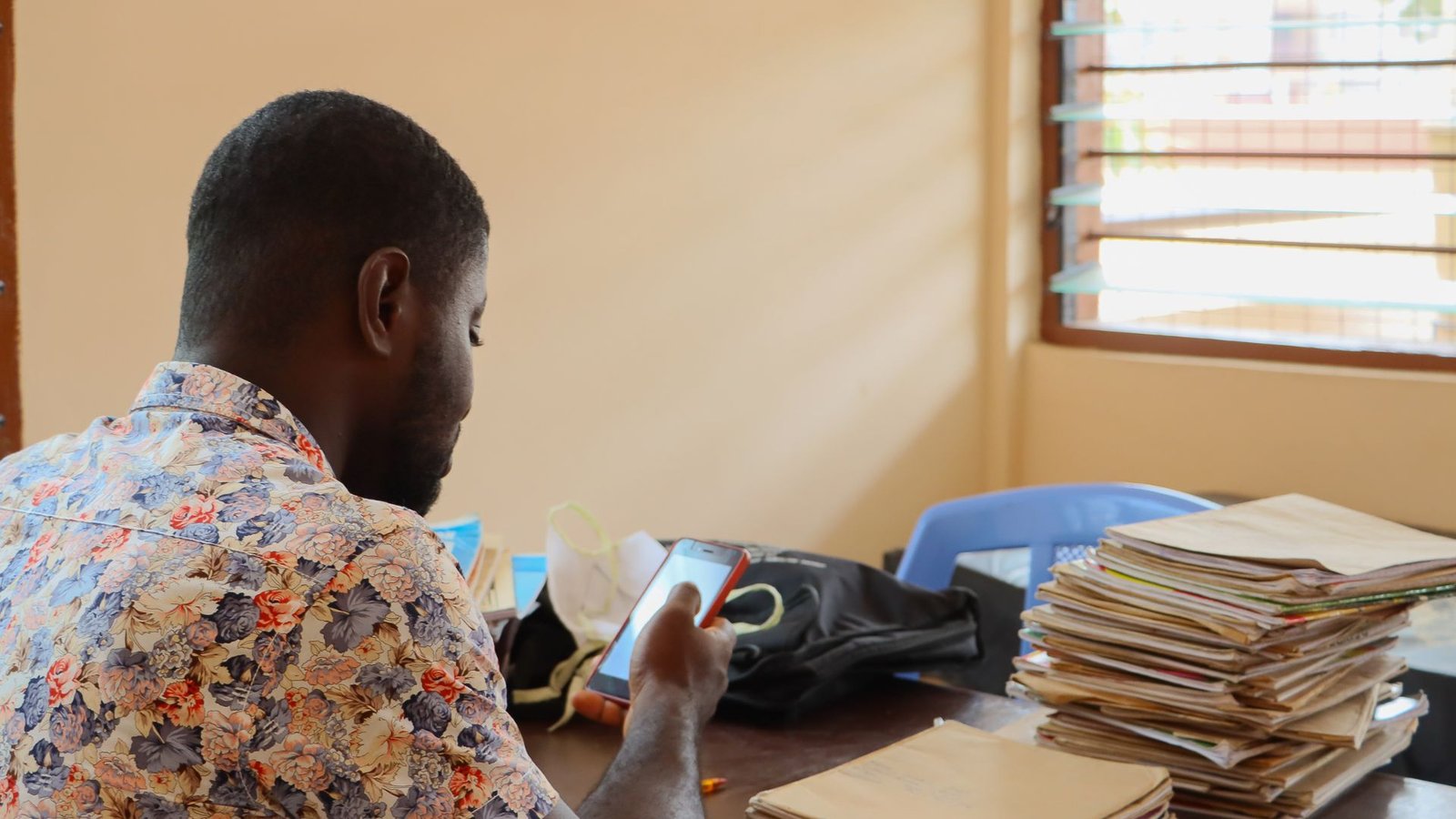
Teacher empowerment in rural Ghana is essential for improving learning outcomes and strengthening basic education. In many rural schools, teachers carry responsibilities that extend far beyond instruction. They shape learning environments, guide student behaviour and influence how children experience education every day.
However, many rural schools operate with limited resources and weak support systems, making it difficult for teachers to meet the diverse needs of their learners. When teachers receive adequate support, training and resources, they are better equipped to deliver effective lessons, create structured classrooms and support student progress. Understanding teacher empowerment is therefore an important step towards improving the quality of education in rural communities.
What teacher empowerment really means
Teacher empowerment in rural Ghana refers to the professional and structural support teachers need to perform effectively. This includes access to resources, training, autonomy and institutional support. How these forms of support are provided and distributed can significantly influence teaching quality, classroom stability and learning outcomes.
To be adequately supported, teachers need:
Access to Learning Materials: Ensuring classrooms have the basic resources needed to deliver lessons effectively.
Continuous Professional Development: Providing regular training and workshops to strengthen teaching skills and introduce effective teaching approaches.
Supportive School Leadership: Having school leaders who provide guidance, address challenges and advocate for teachers’ needs.
Classroom Autonomy: Allowing teachers to adapt lessons and teaching approaches to the specific needs and abilities of their learners.
Why support for teachers helps children learn
Teacher empowerment directly affects student learning outcomes in rural Ghana. Empowered teachers are better equipped to deliver structured and engaging lessons, helping students participate more actively and experience greater learning continuity. This link between teacher support and student success is a central focus of national initiatives such as the Ghana Accountability for Learning Outcomes Project (GALOP), which aims to improve education quality in the country’s most vulnerable schools. When teachers lack adequate support, learning can become inconsistent. However, when they are empowered, classroom stability and the quality of teaching can improve.
Beyond the classroom, teachers also play important leadership roles in rural Ghana, where schools are often among the most stable institutions within communities. In many remote villages, teachers become trusted figures who provide guidance, encouragement and motivation to young people and their families.
A real-life example of this can be seen in the story of Portia, a teacher and mentor in rural Ghana. As featured in CAMFED’s leadership profile, Portia returned to her community to help ensure that more girls could stay in school and succeed. Beyond her daily lessons, she acts as a role model and provides support to students facing challenges. Her story demonstrates how teachers can influence not only learning within the classroom, but also the wider community.
What makes teaching hard in Ghana
Several structural challenges limit teacher empowerment in rural Ghana. These challenges affect teachers’ ability to deliver effective lessons, develop professionally and remain motivated in their roles.
Key Challenges:
- Limited Teaching Resources
Many rural schools operate with limited teaching materials. This goes beyond a lack of textbooks and may include basic stationery, visual aids and functional classroom furniture. Without adequate resources, teachers may have fewer opportunities to use interactive teaching methods and may rely more heavily on lectures and memorisation. This can make it harder to keep learners engaged. In some cases, teachers also use their own money to purchase basic classroom supplies. - Inadequate Training Opportunities
While teachers in urban areas may have easier access to workshops, seminars and professional development opportunities, rural teachers can face greater barriers due to distance, cost and limited availability. Without regular training, teachers may have fewer opportunities to develop their skills, learn new teaching approaches or adapt to changes in education policy. This can leave them feeling professionally isolated and limit their ability to respond to changing classroom needs. - High Workload and Role Overload
In rural schools, teacher shortages can mean that educators take on responsibilities beyond their usual teaching duties. A single teacher may be required to manage multiple classes, teach different grade levels or take on additional administrative responsibilities. Heavy workloads can reduce the time available for lesson preparation, individual student support and professional development. Over time, this pressure can contribute to stress, exhaustion and reduced motivation. - Weak Mentorship Systems
Teaching can be particularly challenging for newly posted teachers in rural communities, especially when they are far from home and have limited access to experienced colleagues. Without effective mentorship or professional support networks, they may find it difficult to navigate classroom challenges and adjust to their new environment. A lack of mentorship can leave teachers feeling isolated and unsupported. It may also affect their confidence, professional development and willingness to remain in rural postings. Strong mentorship systems can help teachers build confidence, share knowledge and strengthen teaching practices across schools.
How we help teachers in Builsa North
Homeland Ghana Educational Foundation supports teacher empowerment in rural Ghana through practical interventions that strengthen teaching capacity and improve learning environments. Our work includes teacher training workshops and the provision of essential learning materials.
One example is our partnership with IKAN Academy, through which we facilitated a two-day teacher training programme focused on modern teaching approaches and effective classroom management. The training gave teachers practical strategies to support different learning needs and create more engaging classroom experiences.
In addition, we have incorporated child rights training into our work with teachers. By helping teachers understand children’s rights and protections, we support them in creating safer, more inclusive classrooms where learners feel respected and protected.
Long-term outcomes of teacher empowerment include:
Improved academic performance
Higher student retention
Stronger and more supportive school environments
Greater community trust in education
What happens when teachers get support
The importance of teacher empowerment in rural Ghana lies in its ability to strengthen both teaching and learning systems. It directly influences classroom quality and student success. When teachers receive adequate support, learning environments become more effective, and students benefit from better engagement, structure and consistency. Therefore, sustained investment in teacher empowerment is essential, as it strengthens rural education systems and improves long-term learning outcomes.