Ghana’s public basic and secondary school teachers went on strike in September 2026 over unpaid promotion arrears, allowances and unresolved issues concerning their working conditions. The strike disrupted teaching and learning in public schools before an agreement was reached in October.
- GNAT, NAGRAT, CCT-GH – The three teacher unions in Ghana who speak for public school teachers
- FWSC – Fair Wages and Salaries Commission. The government body that decides how much public workers are paid
- CAGD – Controller and Accountant-General’s Department. The government office that actually pays teachers’ salaries into their bank accounts
The Ghana National Association of Teachers (GNAT), National Association of Graduate Teachers (NAGRAT) and Coalition of Concerned Teachers Ghana (CCT-GH) began the strike on 25 September 2026. The unions said the government and the Fair Wages and Salaries Commission (FWSC) had taken too long to address their concerns.
A meeting between the unions and the FWSC on 6 October ended without an agreement. However, further discussions led to an agreement on 9 October, paving the way for the strike to be called off.
What were the teachers demanding
The strike centred on three main issues.
1. Unpaid promotion arrears
One of the most immediate concerns was money owed to teachers who passed promotion examinations in December 2025 and February 2026.
When teachers pass their promotion exams, they should move to a higher salary. But many were still being paid on their old, lower salary. The difference that is owed to them is called promotion arrears.
The unions said these teachers should have been moved to the correct salary levels after their promotions. They also wanted the salary increases to be calculated from January 2026, even if the payments were made later.
The number of teachers affected remained unclear, as the unions and government provided different figures. Education Minister Haruna Iddrisu said the government was reviewing records covering up to 51,000 teachers.
At the time, the government had committed to placing all promoted teachers on their new salary levels by 30 October 2026.
2. Deprived Area Allowance
Another one of the main demands in the strike was the Deprived Area Allowance.
This is extra money, 20% of basic salary, paid to teachers who agree to work in hard-to-reach or deprived communities.
Think of schools in places like Builsa North in Upper East Region. These are rural areas where roads are difficult to travel through especially in the rainy season, there is limited electricity, internet or decent accommodation, and schools have very few learning materials.
Many teachers prefer to work in towns and cities. To encourage teachers to stay in rural communities, government agreed to pay an extra 20% allowance to cover the extra cost and difficulty of living there.
The unions referred to Section 17(2) of the 2024 Collective Agreement, which provides for the allowance. They wanted the government to implement the allowance and set a clear deadline for payment.
The Collective Agreement is the official agreement between government and teachers that sets out pay, allowances and working conditions.
The unions have also raised concerns about the digital allowance and professional development allowance, which they say form part of the outstanding conditions of service.
- Digital allowance – to help teachers with the cost of using computers and internet for teaching
- Professional development allowance – to help teachers pay for training to upgrade their skills
3. Collective Agreement and conditions of service
The unions are also demanding progress on a new Collective Agreement covering teachers’ conditions of service.
According to the unions, the existing agreement has expired and negotiations for a replacement remain unresolved. They are calling for the new agreement to be concluded and implemented.
There is also disagreement over some proposals discussed during the negotiations. GNAT General Secretary Thomas Tanko Musah has criticised a reported proposal of a GH¢7 increase over three years. This figure represents the position reported by union leadership and should not be treated as a confirmed final government offer.
However, an agreement was reached on the 9th of October, after engaging the unions with the assurance that their commitments will be fulfilled. The Controller and Accountant-General’s Department (CAGD) has promised to pay teachers their outstanding promotion allowances by October 16.
The strike was called off and schools resumed officially on Monday 12th October, 2026.
What this support means for the schools we support
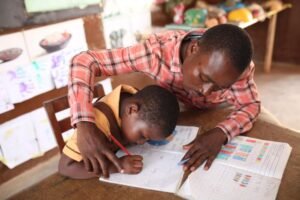
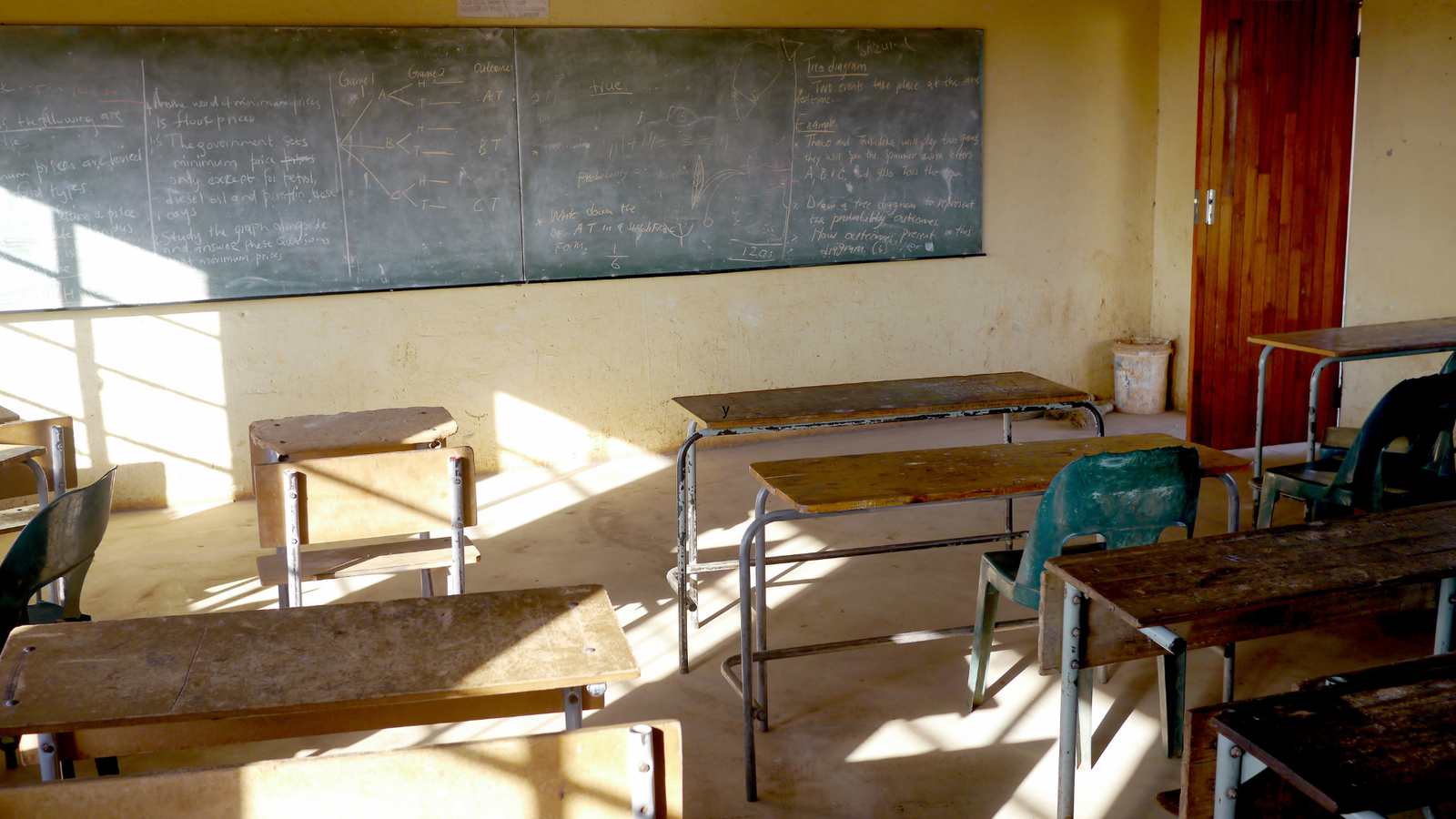
For the schools we support, this meant children were off school for weeks without warning. There was no opportunity to give them homework or learning plans to continue learning at home.
It meant falling behind the curriculum, and a lot of pressure to catch up when schools resumed.