How does a child know that they belong at school?
It might be having a teacher who listens when something is wrong, feeling confident enough to share an idea with classmates, or learning in a classroom with the materials needed to participate.
School belonging develops through relationships, inclusion, wellbeing and opportunities to participate in education. UNICEF’s report Improving Education Participation, examines barriers to education in Europe and Central Asia. Although it focuses on a different region, its discussion of barriers to participation offers a useful perspective for considering children’s experiences in Ghana.
School belonging begins with being heard
Children experience school through more than lessons and textbooks. Whether they feel comfortable asking questions, expressing concerns and seeking help also matters.
During a child rights workshop at Alabyeri Junior High School in 2025, one student, Paul, shared how the amount of work he was expected to do at home left him tired at school. He struggled to concentrate in class and had little time to revise for examinations.
Before the workshop, Paul had considered this normal. Learning about children’s rights helped him recognise how his circumstances were affecting his education.
“I realised that if I am always too tired to learn, then something is not right.”
After the first session, he felt able to speak to the facilitator about his situation, something he had never shared before.
In 2025, 159 students participated in child rights workshops. Quizzes completed before and after the training measured changes in their knowledge of children’s rights, responsibilities and responses to different scenarios.
By the end, 100% demonstrated an understanding of child rights and protection, while more than 95% showed an improved understanding of responsibility alongside rights. Students also identified trusted reporting offices, including the Social Welfare service.
These experiences show how child rights education can help students recognise concerns and understand where to seek support. Read more about child rights in education in Ghana.
Belonging also means being able to participate
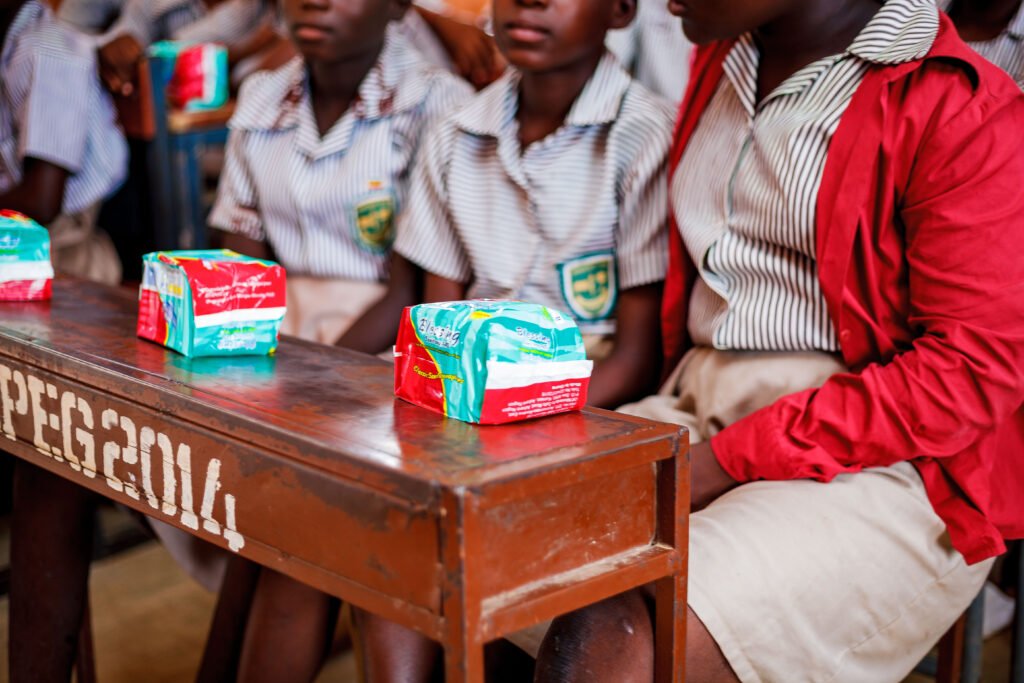
For girls, menstruation can become a barrier to school attendance when menstrual products are unavailable. Providing sanitary pads can help address this problem, while menstrual health education gives girls opportunities to ask questions and learn about their periods.
In 2025, Homeland Ghana’s menstrual hygiene programme reached 234 girls and distributed 799 sanitary pads.
During implementation, 140 new girls enrolled. Girls supported through the programme also recorded an estimated 8–12% improvement in end-of-term test results compared with the previous academic year, associated with improved attendance and reduced absenteeism.
These numbers show the connection between the conditions surrounding education and girls’ ability to participate. Access to menstrual products and accurate information can help make school attendance more consistent.
Our menstrual health education project explores this work further.
When children have something to contribute
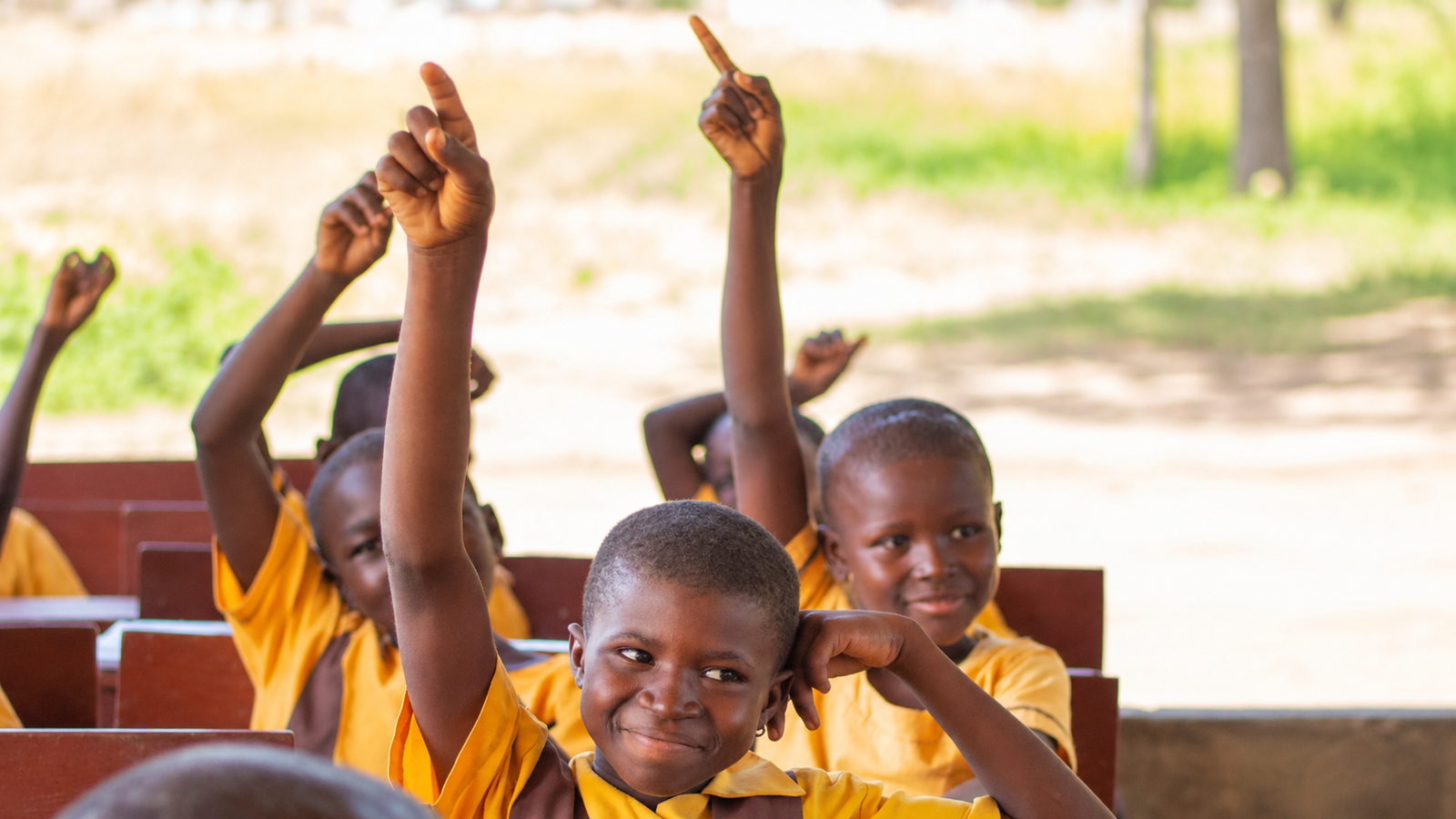
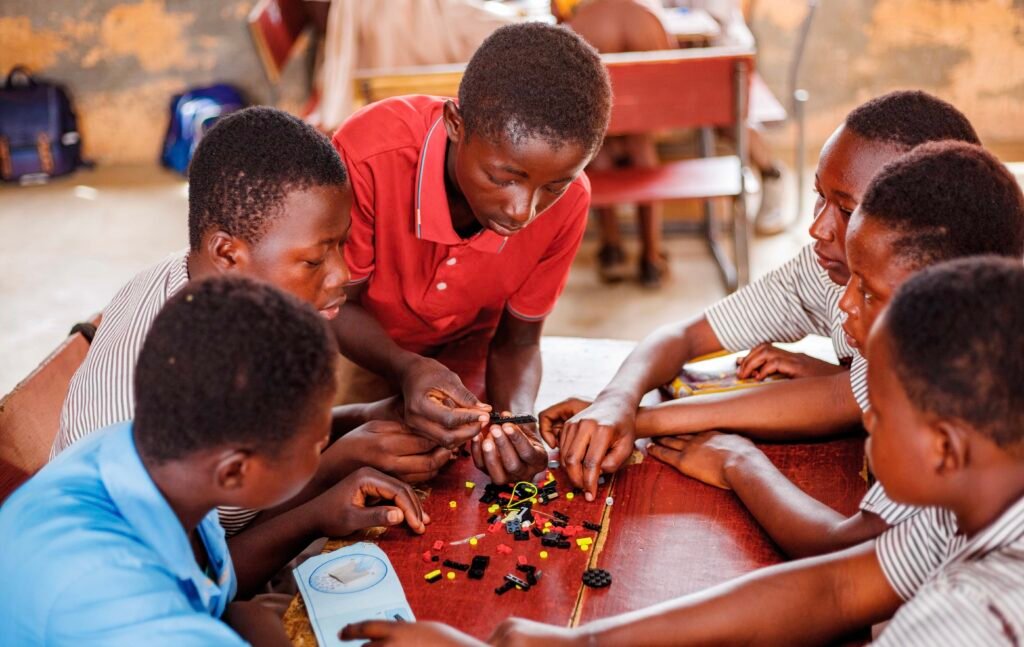
Children also need opportunities to create, solve problems and work with others.
In 2025, LEGO Play workshops reached 425 students across 15 primary and junior high schools in Builsa. Using an animal-based theme, students worked in groups to build and present their own models.
They decided what to build, worked through challenges and explained their ideas to others.
Activities like these give students different ways to contribute, particularly those who may express themselves more comfortably through practical tasks and creative projects than conventional classroom discussions.
How the school environment shapes belonging
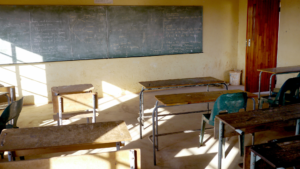
The physical classroom influences what children can do during the school day. Textbooks, marker boards, renovated classrooms, and installed doors and windows can help create more suitable conditions for learning.
Having the necessary materials and a classroom that supports learning can help children engage with lessons and participate more fully in school life.
In 2025, students visited Red Clay Studio in Ghana’s Northern Region to explore art and history.
Experiences outside the classroom give children opportunities to learn alongside their peers, ask questions and connect education with the world around them. They also offer shared learning experiences beyond the usual routines of school.
There is no single feature that makes a school feel like a place to belong. It is shaped by whether children feel heard, have the resources they need and can participate in learning in ways that work for them.
When children’s voices matter and their needs are taken seriously, school becomes more than somewhere they go to learn. It becomes a place where they feel they belong.