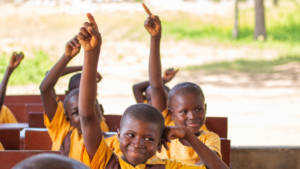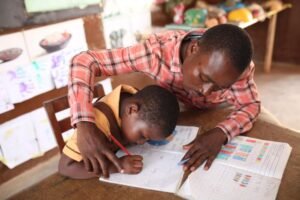
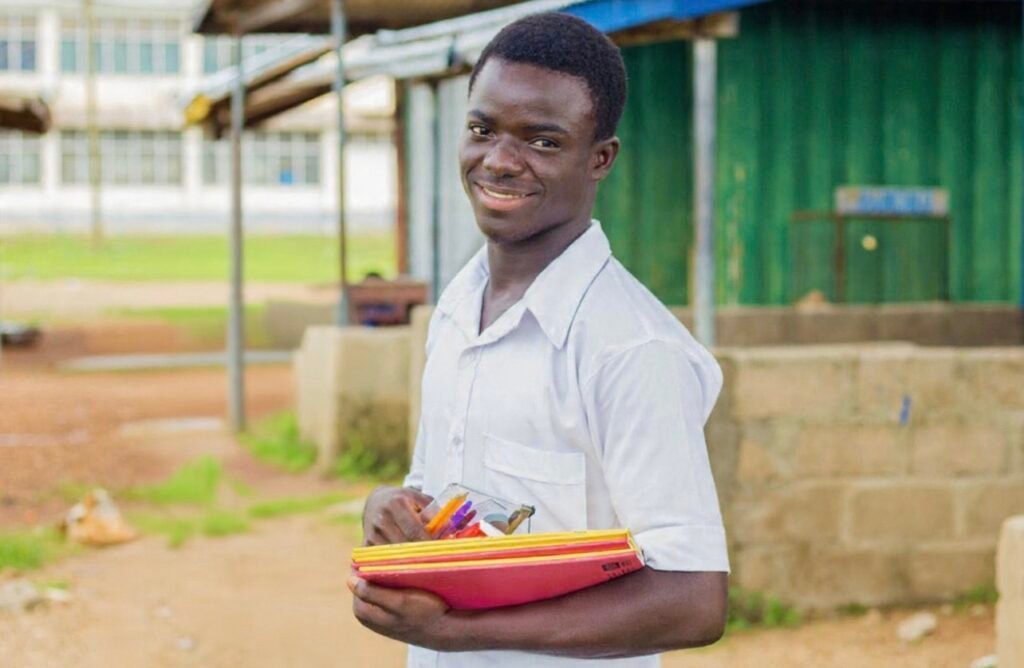
Christopher’s journey shows what can become possible when a child has the opportunity to receive a basic education. Supported by Homeland Ghana through his early schooling, he continued his education and eventually gained admission to a college of education, where he is training to become a teacher. His journey shows that education creates opportunities that can shape a person’s future. The knowledge and skills children gain in school can influence the choices they make, the work they do and the contributions they make to their communities.
Education is one of the most important ways to improve people’s lives and create opportunities for future generations. It is also a basic human right. As UNESCO explains, education plays an important role in helping individuals and communities develop.
What does it mean to invest in education
An investment involves putting resources into something with the hope that it will bring benefits in the future. When we invest in education, we provide children with the knowledge and skills they need to build better futures. However, these benefits are not limited to what happens inside the classroom. A person who can read, write and understand basic information can use these skills in everyday life.
For example, parents who can read confidently are able to understand school notices, help their children with homework and communicate with teachers. They can also access information about healthcare, employment and other important services. As a result, education benefits individuals and the people around them. As more people gain knowledge and skills, families and communities have more opportunities to improve their lives.
How education supports economic growth
Education also plays an important role in the economy. People need different skills to do their jobs, start businesses and find solutions to everyday challenges. Schools help children begin developing these skills from an early age. According to the World Bank, each additional year of schooling increases a person’s earnings by about 10% on average globally.
Some of the ways education supports economic growth include:
Better employment opportunities: People with education and skills may have access to a wider range of jobs.
A skilled workforce: Education helps prepare people to work in different industries and professions.
Business development: Literacy, numeracy and problem-solving skills can help people manage businesses and identify new opportunities.
Innovation: Education encourages people to explore ideas, develop solutions and improve how things are done.
These benefits can also be seen within communities. When people have the skills needed to work and run businesses, they can contribute to local economic activities. Businesses benefit from having capable workers, while individuals have more opportunities to earn an income and support their families.
Why access to school is not enough
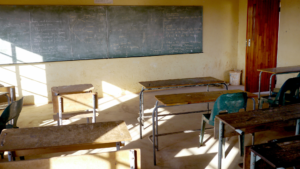
Getting children into school is an important first step, but attending school does not automatically mean that meaningful learning is taking place. Children also need teachers who can support their learning, appropriate textbooks and other learning materials, safe classrooms and enough opportunities to practise what they are taught. For example, a child may attend school regularly but struggle to read and understand a simple passage. Without the right support, this difficulty can affect their ability to learn other subjects.
This is why the quality of education matters just as much as access. Children need learning experiences that help them develop useful skills and apply what they learn to real-life situations. Investing in basic education should therefore include improving the conditions in which children learn and ensuring that teachers have the resources and support they need.
How education benefits future generations?
Education can also influence the opportunities available to future generations. Parents who have experienced the benefits of education may be more likely to encourage their children to attend school, support their learning and take an interest in their progress. For example, a parent who understands the importance of reading may make time to read with their child or encourage them to practise regularly. These actions can help children develop stronger learning habits, allowing knowledge and good learning experiences to be passed from one generation to the next.
Christopher’s journey is one example of how access to basic education can open the door to further learning and new career opportunities. His progress into teacher training also shows how one person’s education can create an opportunity to support the learning of others.
Why should we invest in children's education today?
Quality basic education gives children a good foundation by helping them develop the skills they need to continue learning, pursue further education, find work and participate in their communities. For this reason, the conversation about education should consider not only how much it costs to provide schooling, but also what children and society gain from it. Ultimately, when children have access to quality education, they have a better chance of building their futures and contributing to the development of the communities in which they live.