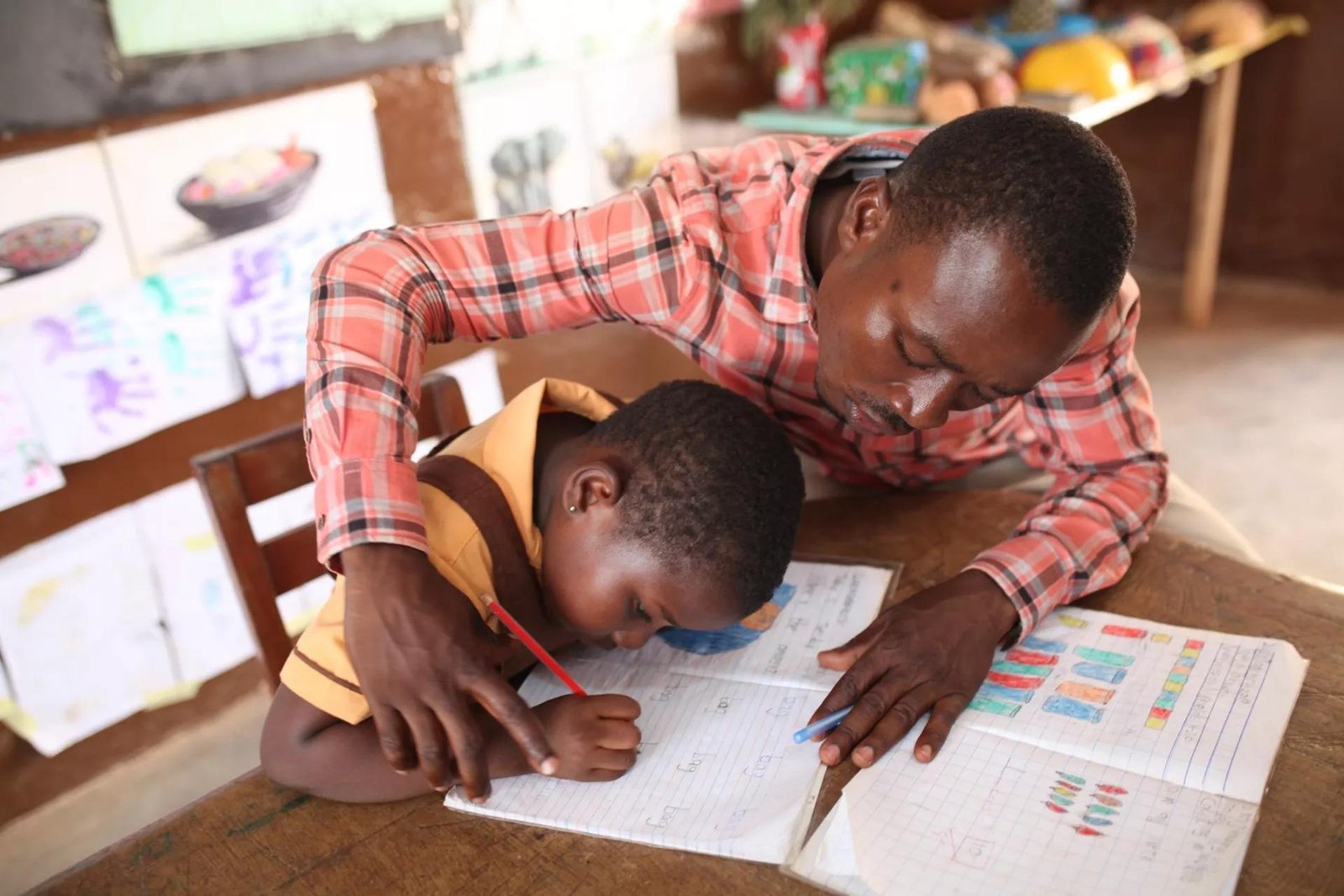
A child may learn to read a story, work with numbers or explain an idea during a classroom discussion. These skills may be taught in specific lessons, but their value extends well beyond the classroom where they are first developed.
As students move from basic education into secondary school and further education, they encounter longer texts, more complex concepts, unfamiliar subjects and greater expectations for independent learning. Their ability to respond to these demands is partly shaped by what they have developed earlier.
This is why foundational learning in Ghana matters beyond the basic education years. The skills developed during this period can influence how children approach new subjects, solve unfamiliar problems and participate in increasingly independent learning.
Foundational skills encompass the abilities children need to acquire and apply further knowledge. They include literacy, numeracy and socio-emotional skills, alongside communication, problem-solving and collaboration.
Their purpose is not limited to completing a particular lesson or passing an assessment. Reading enables children to engage with information; numeracy supports reasoning with quantities and data; communication helps them express and exchange ideas; and problem-solving allows them to approach unfamiliar situations.
The demands of learning change as children progress
Each stage of education brings new expectations.
A student entering secondary school may need to understand more complex material across several subjects, compare information, explain their reasoning and manage longer or more independent assignments.
The transition can be demanding because students are no longer learning only individual concepts. They are increasingly expected to connect information, apply what they know and work with less direct support.
What children develop during basic education provides a starting point for this transition. Strong reading skills can support learning across subjects, while secure numeracy and problem-solving abilities can help students approach unfamiliar academic tasks. Communication becomes increasingly important as students are expected to discuss ideas, ask questions and work with others.
Ghana's learning challenge goes beyond school attendance
Ghana has expanded access to education, but enrollment alone does not guarantee that children are acquiring essential skills.
UNICEF’s 2025 Education Budget Brief reports that more than 60% of children in Ghana do not achieve basic literacy and numeracy by the end of primary school. It also estimates that Ghana has an average of 11.6 years of schooling but only 5.7 effective learning years.
These figures point to an important distinction: time spent in school and learning achieved are not the same thing.
When children reach the next stage of education without secure basic skills, they may have difficulty keeping pace with more demanding work. A longer text, multi-step problem or independent assignment can become harder when the underlying skills are not yet secure.
This does not mean early learning gaps cannot be addressed. Children can develop new skills at different stages. It does, however, underline the importance of making the years of basic education count.
Strong skills support independent learning
As students progress, they are expected to take greater responsibility for how they learn. They must read independently, interpret information, complete tasks, recognise when they need help and seek clarification.
Earlier learning can make this transition easier.
A student who can navigate written information is better positioned to research a topic. Someone who can reason through a problem has a basis for tackling unfamiliar questions. A student who can communicate clearly can participate in group work and seek support when needed.
These capabilities also help young people adapt when the context of learning changes, whether they are entering a new school, studying a new subject or preparing for further education.
Learning also involves confidence and participation
What children know can affect how they participate in the classroom.
When students can understand a task and communicate their ideas, they have more opportunities to contribute to discussions, collaborate with classmates and ask questions. These experiences can reinforce learning while helping children become more active participants in their education.
Such opportunities do not have to be limited to conventional lessons. At Siniensi Basic School, for example, students have participated in LEGO workshops, collaborative activities, educational field trips and child rights workshops, providing opportunities to practise communication, creativity, teamwork and problem-solving. Learn more about Siniensi Primary & Junior High School.
Ghana is also using differentiated approaches to respond to differences in children’s learning levels. The Differentiated Learning Plus programme uses targeted instruction, play-based approaches and assessment to support progress in literacy and numeracy.
The wider education system is placing greater emphasis on measuring what children are learning. Ghana has institutionalised National Standardised Tests for Primary 2, Primary 4 and Primary 6, while differentiated learning has been mainstreamed across 10,000 underserved primary schools, according to UNICEF’s 2024 Foundational Learning Action Tracker.
Together, these efforts reflect a shift towards looking beyond school attendance to the quality and outcomes of learning.
Children do not leave their earlier learning behind when they enter a new stage of education. They carry it into new subjects, new classrooms and new expectations.
For this reason, foundational learning in Ghana should be viewed as part of a longer educational journey. Strengthening these abilities during basic education can help children respond to the increasing demands of secondary and further education.
This requires more than classroom instruction alone. Teaching quality, learning environments, resources and wider support systems all influence children’s educational experiences. Education partnerships can play a role in strengthening basic education in Ghana, bringing together schools, communities and organisations around children’s learning.
Ghana’s continued focus on literacy, numeracy and socio-emotional development reflects the importance of this longer-term perspective. In 2025, the Ministry of Education, UNICEF and the Hempel Foundation launched the Foundational Learning Action Tracker to monitor progress in these areas.
The goal is not simply for children to complete a certain number of years in school. It is for them to leave basic education with skills they can use, develop and apply as their learning continues.
A strong foundation does not determine every step of a child’s educational journey. It gives them the tools to take the next one.