Educational partnerships are at the heart of strengthening basic education in Ghana. While many people recognise the visible work of teachers, schools, and non-governmental organisations (NGOs), lasting improvements in education are made possible through the collaboration of multiple institutions working both at the front lines and behind the scenes.
From the Ghana Education Service (GES) and the Department of Social Welfare to District Assemblies, schools, communities, and education-focused NGOs, each institution plays a unique role in ensuring children have access to safe, inclusive, and quality learning opportunities.
These shared responsibilities demonstrate that improving basic education is not the responsibility of one organisation alone. It requires shared commitment, coordination, and collaboration among stakeholders who contribute their expertise, resources, and knowledge to create meaningful change.
Why one group cannot fix the problem
Basic education provides the foundation for literacy, numeracy, critical thinking, and lifelong learning. It includes kindergarten, primary education, and junior high school, which are essential stages in a child’s development.
Ghana has made significant progress in expanding access to education over the years.
Over the past two decades, Ghana has made notable progress in expanding access to basic education through policies such as the Free Compulsory Universal Basic Education (FCUBE) programme and the capitation grant, alongside increased investment in school infrastructure and teacher deployment. These efforts have contributed to higher enrolment rates and enabled more children to enter and remain in school.
However, increased enrollment does not always translate into improved learning outcomes particularly for children in rural and underserved communities. According to UNICEF, more than 623,500 primary school-aged children in Ghana remain out of school, while many learners continue to face challenges in achieving foundational literacy and numeracy skills.
These realities highlight why shared responsibilities are necessary. Improving access to schools is important, but ensuring children stay in school, learn effectively, and complete their education requires collaboration among multiple actors.
Through strong partnerships, institutions can address challenges such as:
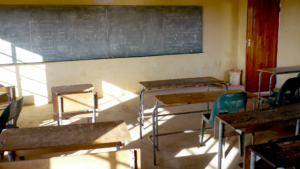
- Inadequate school infrastructure
- Limited teaching and learning materials
- Teacher support and professional development needs
- Child protection concerns
- Barriers affecting school attendance
- Inequalities between rural and urban communities
Who makes sure teachers get to schools
Established in 1974 under the National Redemption Council Decree (NRCD 247), the Ghana Education Service (GES) is the government institution responsible for implementing education policies across Ghana’s pre-tertiary education system.
At the basic education level, GES oversees kindergarten, primary, and junior high schools, ensuring that national education policies translate into effective teaching and learning in classrooms across the country.
The institution plays several important roles, including:
- Recruiting and deploying teachers to schools
- Supervising public basic schools
- Implementing the national curriculum
- Supporting school leadership
- Monitoring teaching and learning quality
- Coordinating teacher development programmes
Through Metropolitan, Municipal, and District Education Offices, GES works directly with schools and communities to improve education delivery at the local level.
For educational efforts to succeed, collaboration with GES is essential because it ensures that programmes introduced by NGOs and development partners align with national education priorities and complement existing government efforts. For example, when an NGO introduces teacher training, literacy interventions, child protection programmes, or learning resources in public schools, these activities are typically planned and implemented in consultation with district GES offices. This coordination helps ensure that interventions respond to local educational needs, support the national curriculum, and strengthen rather than duplicate existing government initiatives.
Who makes sure children are safe enough to learn
Education is not only about classrooms, textbooks, and teachers. A child’s ability to learn is also influenced by their safety, wellbeing, and home environment.
Established in 1946, the Department of Social Welfare plays an important role in protecting vulnerable children and supporting families across Ghana.
Although the department is not responsible for teaching, its work directly supports basic education by addressing social challenges that can prevent children from attending school or completing their education.
The department provides support in areas such as:
- Child protection services
- Preventing child abuse and neglect
- Supporting vulnerable families
- Addressing child labour and exploitation
- Promoting children’s rights and wellbeing
For many children, especially those from disadvantaged backgrounds, educational success depends on having a safe and supportive environment. Through collaboration with schools, communities, and NGOs, the Department of Social Welfare helps remove barriers that prevent children from benefiting fully from basic education.
Who fixes the roof when it leaks
Local government structures also play an important role in improving basic education.
District Assemblies support schools by contributing to:
- School infrastructure development
- Classroom construction and rehabilitation
- Water and sanitation improvements
- Community development initiatives
- Local education support programmes
Because District Assemblies understand local challenges, they are important partners in designing solutions that respond to the specific needs of communities.
In rural areas, where schools may face greater resource limitations, collaboration between District Assemblies, education authorities, NGOs, and communities can significantly improve learning environments.
Why families and community matter most
Strong education systems are built not only by institutions but also by communities.
Parents, traditional leaders, School Management Committees (SMCs), Parent-Teacher Associations (PTAs), and community volunteers contribute to creating supportive environments where children can learn.
Community involvement helps improve:
- School attendance
- Accountability in schools
- Parent engagement
- Protection of children
When communities actively participate in education, programmes become more sustainable because local people become partners in protecting and improving their schools.
Where we fit in
Education-focused NGOs play an important role in strengthening basic education by working alongside government institutions and communities.
Rather than replacing government systems, effective NGOs complement existing structures by addressing specific challenges and introducing additional support where it is needed.
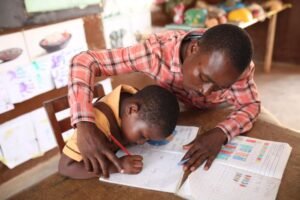
Their work may include delivering teacher training to strengthen classroom instruction, implementing reading and literacy programmes that improve foundational learning, promoting play-based learning in early childhood education, supporting girls’ education through mentorship and menstrual health initiatives, and establishing safeguarding and child protection programmes that create safer learning environments.
Many NGOs also provide teaching and learning materials, improve school infrastructure, and work with parents and community leaders to encourage children’s regular attendance and participation in school.
Why we choose to work togther
The progress of basic education in Ghana depends on the strength of the partnerships supporting it.
A government agency may provide policy direction, but local authorities help implement solutions. NGOs may provide resources and expertise, but communities ensure programmes respond to real needs. Schools provide the learning environment, while families support children’s educational journeys.
Together, these stakeholders create a stronger education ecosystem where children have better opportunities to learn and succeed.
Educational partnerships are particularly important in rural communities, where schools often face challenges related to infrastructure, learning materials, and access to support services. By combining resources and expertise, partnerships can create sustainable solutions that improve learning outcomes for generations.
Strengthening basic education in Ghana requires collective action. No single institution can address every challenge facing learners, teachers, and schools.
Government institutions provide leadership and policy direction. Local authorities coordinate community-level support. Schools and families create environments where children can thrive. NGOs contribute innovation, resources, and additional expertise.
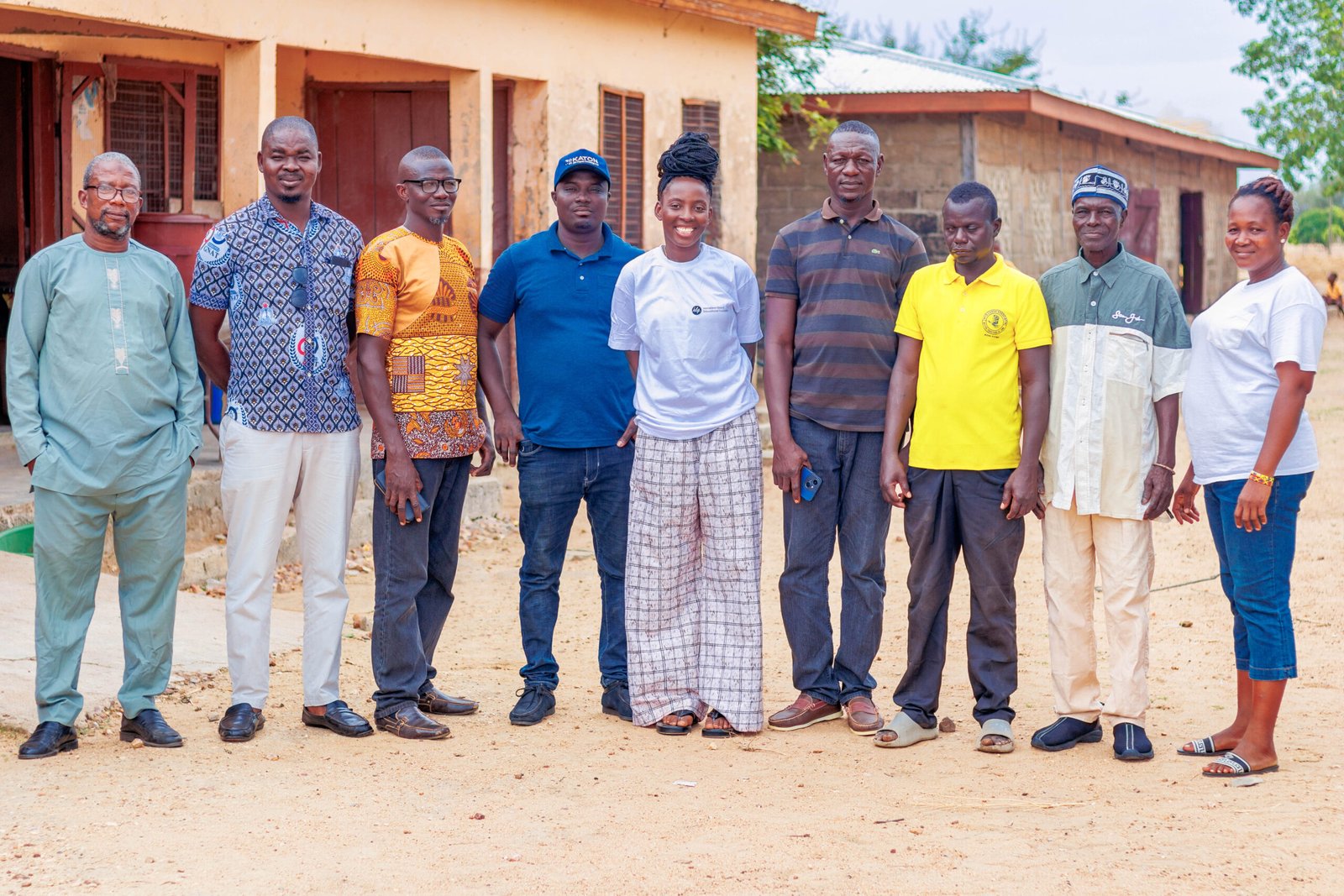
At Homeland Ghana, we believe that sustainable change happens through collaboration. By working alongside government institutions, local authorities, schools, and communities, we contribute to building stronger educational systems where every child has the opportunity to access quality basic education and reach their full potential.