
Children with disabilities require education systems that recognise their unique learning needs and provide the right support for them to succeed. In Ghana, efforts to strengthen inclusive education have received a major boost following the announcement of a dedicated annual allocation for Special Needs Education.
During a press conference and stakeholder engagement in Accra with special and integrated school leadership on July 2nd 2026, the Minister of Education, Haruna Iddrisu, announced that GH₵100 million will be provided each year through the Ghana Education Trust Fund (GETFund) to support Special Needs Education. The funding is expected to begin in 2027 and will provide additional financial support for improving services available to learners with disabilities.
Strengthening Support for Learners with Disabilities
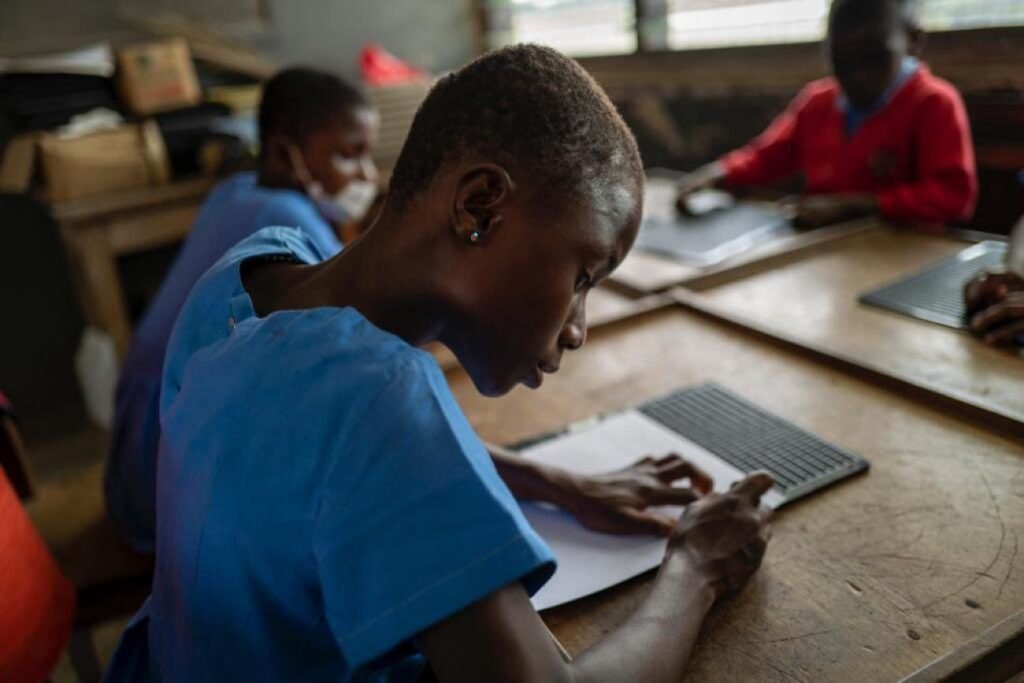
Special schools and inclusive education programmes require resources that go beyond traditional classroom needs. Learners with disabilities may require specialised learning materials, assistive technologies, accessible facilities, and trained educators who can respond to different learning requirements.
The new funding allocation creates an opportunity to improve these areas by supporting:
- Provision of specialised learning materials, including Braille textbooks, large-print resources, and other assistive learning tools.
- Improved accessibility through the construction of ramps, accessible toilets, and other disability-friendly infrastructure in schools.
- Increased support for inclusive teaching through sign language interpretation, teacher training, and specialised instructional resources.
- Stronger systems that enable learners with disabilities to participate fully in school and achieve better learning outcomes.
Why This Investment Is Important
Education provides children with the knowledge and skills needed to participate fully in society. Yet many children with disabilities continue to face significant barriers to accessing quality education.
According to UNICEF Ghana, one in every five children aged 6–24 years with a disability has never attended school, while many others experience stigma, inaccessible learning environments, and limited specialised support that affect their ability to enrol, remain in school, and reach their full academic potential.
Investment in Special Needs Education is therefore not only about funding schools but should focus on creating an education system where every learner has a fair chance to succeed.
When children with disabilities receive appropriate educational support, they can develop confidence, independence, and skills that contribute to their families, communities, and the wider economy.
The announcement of the GH₵100 million allocation is an important step, but the impact of the investment will depend on how effectively it is implemented.
Clear planning, monitoring, and accountability will be necessary to ensure that resources address the actual needs of learners and schools. Teachers will also require continued professional support to create classrooms that accommodate different abilities.
Inclusive education is a shared responsibility. Government institutions, schools, parents, communities, and education organisations must work together to ensure that children with disabilities are not left behind.
Building a More Inclusive Education System
Ghana’s commitment to increasing support for Special Needs Education reflects the importance of ensuring that disability does not become a barrier to learning.
The GH₵100 million annual allocation provides an important opportunity to strengthen inclusive education by improving learning resources, expanding accessibility, and equipping schools to better support learners with disabilities.
However, meaningful progress will depend on how effectively these funds are implemented and sustained. When backed by strong policies, trained educators, and inclusive learning environments, this investment can help ensure that every child, regardless of ability, has the opportunity to learn, participate, and reach their full potential.