In Ghana, education is an equalizer; however, where a child lives can significantly influence the quality of education they receive. While learners across the country follow the same national curriculum, many rural schools continue to face challenges such as inadequate infrastructure, teacher shortages, limited learning resources, and restricted access to digital technologies. These disparities affect the learning experience and opportunities available to children compared to many of their peers in urban areas.
The comparison between urban and rural education in Ghana reveals important inequalities in infrastructure, teacher availability, learning resources, and support systems. Global reports, including the UNESCO Global Education Monitoring Report, highlight that education inequality remains strongly linked to geography, income, and access to resources.
These differences influence long-term opportunities, skills development, and social mobility. Understanding this divide is essential for advancing education equity in Ghana and achieving Sustainable Development Goal 4.
Understanding Urban and Rural Education Contexts
Urban education refers to schooling in cities and densely populated towns where access to infrastructure, services, and institutional support is generally higher. Rural education refers to schools located in villages and remote areas, where access to resources and services is often limited.
While both systems operate under the same national education policies, their realities differ significantly. These differences are not only about location but about the distribution of educational resources and opportunities.
In urban areas, schools are more likely to benefit from better infrastructure, proximity to administrative support, and access to trained teachers. In rural areas, schools often operate under constrained conditions that affect both teaching and learning processes, often relying on minimal resources to sustain basic instruction.
Infrastructure and Learning Environments
One of the most visible differences between urban and rural education is the condition of school infrastructure. In many urban schools, learners have access to permanent classroom structures, basic furniture, and, in some cases, ICT facilities that support modern learning approaches.
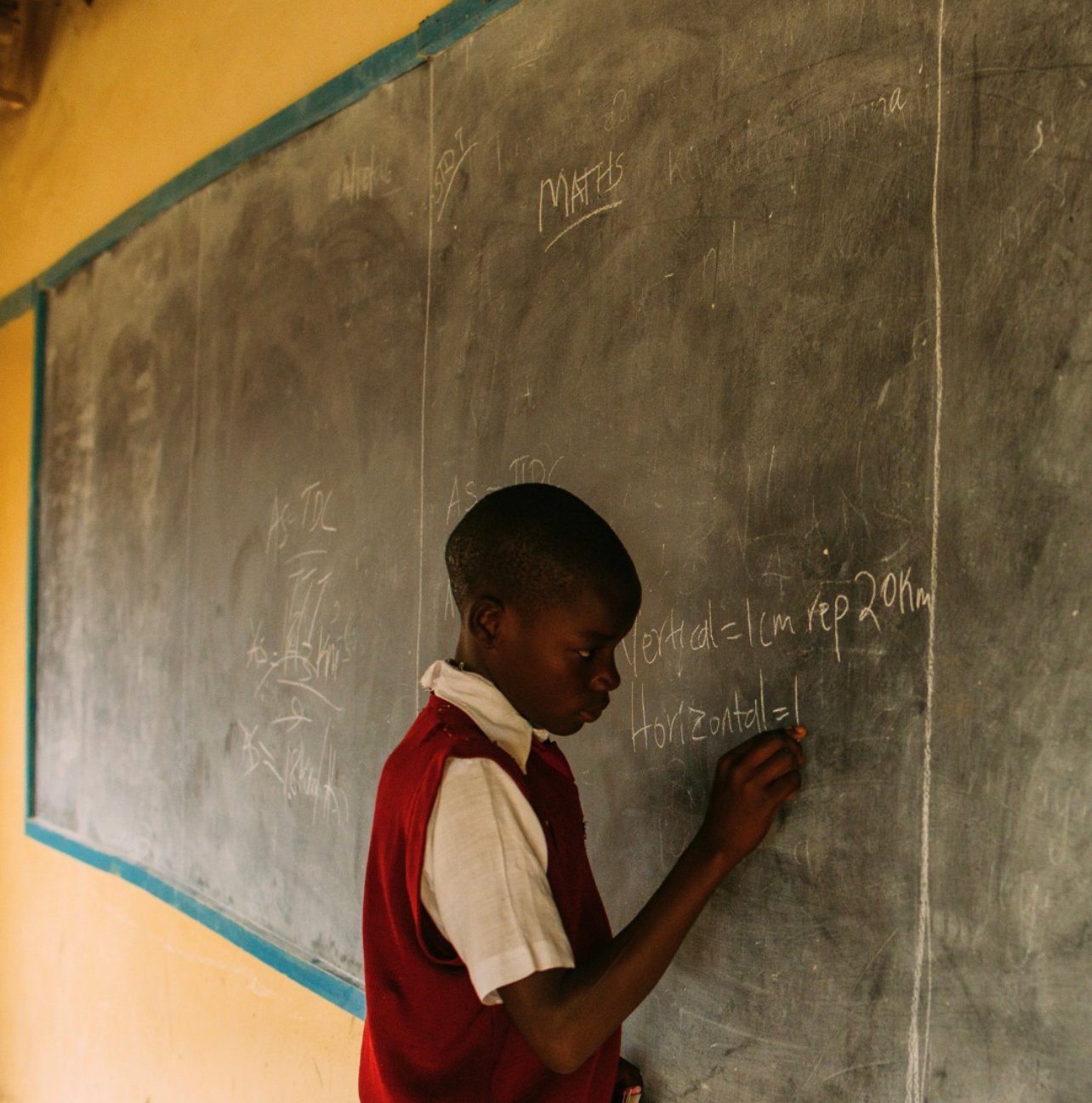
In contrast, rural schools often face infrastructure challenges such as overcrowded classrooms, limited furniture, and buildings that require urgent renovation. In several communities, children are taught under trees or in open spaces due to the absence of proper classroom structures.
Recent reports indicate that approximately 5,000 schools across Ghana still operate under trees according to the Minister for Education highlighting the scale of the country’s infrastructure deficit. This makes learning heavily dependent on weather conditions. When it rains, lessons are often disrupted or completely halted because there is no safe or functional space to continue teaching.
These infrastructural gaps directly influence the quality of learning. A supportive physical environment contributes to better engagement, while inadequate facilities limit both teaching continuity and student concentration.
Teacher Distribution and Learning Quality
Teacher availability remains one of the most critical factors shaping education outcomes. Urban schools tend to attract and retain more teachers due to better living conditions, access to professional development, and proximity to services.
In contrast, rural postings are often less attractive to many teachers due to challenging living conditions and limited amenities. As a result, rural schools frequently experience shortages and high turnover rates. In some cases, one teacher is required to manage multiple classes or teach across different grade levels and subjects simultaneously.
This often reduces the amount of individual attention learners receive, limits instructional time, and makes it more difficult to meet the diverse learning needs of students.
This creates a situation where learners in rural areas may receive less consistent academic support compared to their urban counterparts, even when they are following the same curriculum. The pressure placed on the few available teachers also affects the depth and quality of instruction delivered.
According to UNICEF Innocenti Teachers for All: Ghana (2026) reports, pupil-qualified teacher ratios reveal significant inequalities, with rural schools facing approximately 67 learners per qualified teacher compared to 43 in urban schools.
A clear example of this reality can be seen in the work of Samuel Donkor in Kakpeni, a teacher who manages multiple classes under challenging conditions while ensuring that learning continues despite limited resources. His experience reflects the broader structural strain placed on rural educators.
Access to Learning Resources, Extracurricular Opportunities, and the Digital Divide
Beyond academics, urban learners also tend to benefit from extracurricular opportunities such as sports, music, debate clubs, and leadership programmes. These activities contribute to the development of soft skills such as confidence, teamwork, creativity, and communication skills that are increasingly important beyond formal education.
As a result, many rural learners grow up with untapped potential not due to lack of ability, but due to lack of structured opportunity.
Socioeconomic Conditions and Learning Continuity
Beyond the classroom, socioeconomic conditions also shape educational outcomes. In many rural communities, learners may face long travel distances to school, household responsibilities, and financial constraints that affect attendance and retention.
In some cases, children learn in environments that are not stable throughout the academic year. Combined with infrastructure challenges such as open-air classrooms, this means that even weather conditions can determine whether learning takes place on a given day.
Urban learners may also face challenges, but they often have greater access to support systems such as tutoring services, educational programmes, and closer proximity to schools, which helps maintain learning continuity. These external factors contribute significantly to differences in academic progression and completion rates between urban and rural learners.
The Implications for Equity and Development
The comparison between urban and rural education shows that access to education alone is not enough to ensure equality. The quality of that education matters just as much.
When learners in different locations experience significantly different learning conditions, education systems must respond with policies and investments that prioritize equity. Ensuring that every child has access to quality education, regardless of geography, is essential for building inclusive and sustainable development.
At the same time, it is important to recognize that many rural schools continue to demonstrate resilience in the face of these challenges. Dedicated teachers, strong community support, and local initiatives often sustain learning outcomes despite limited resources. This resilience underscores not only the challenges within rural education, but also the commitment of educators and communities working to bridge these gaps.