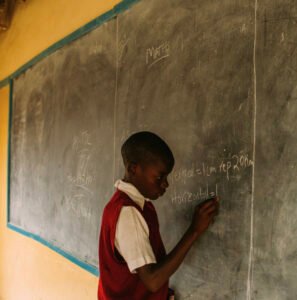
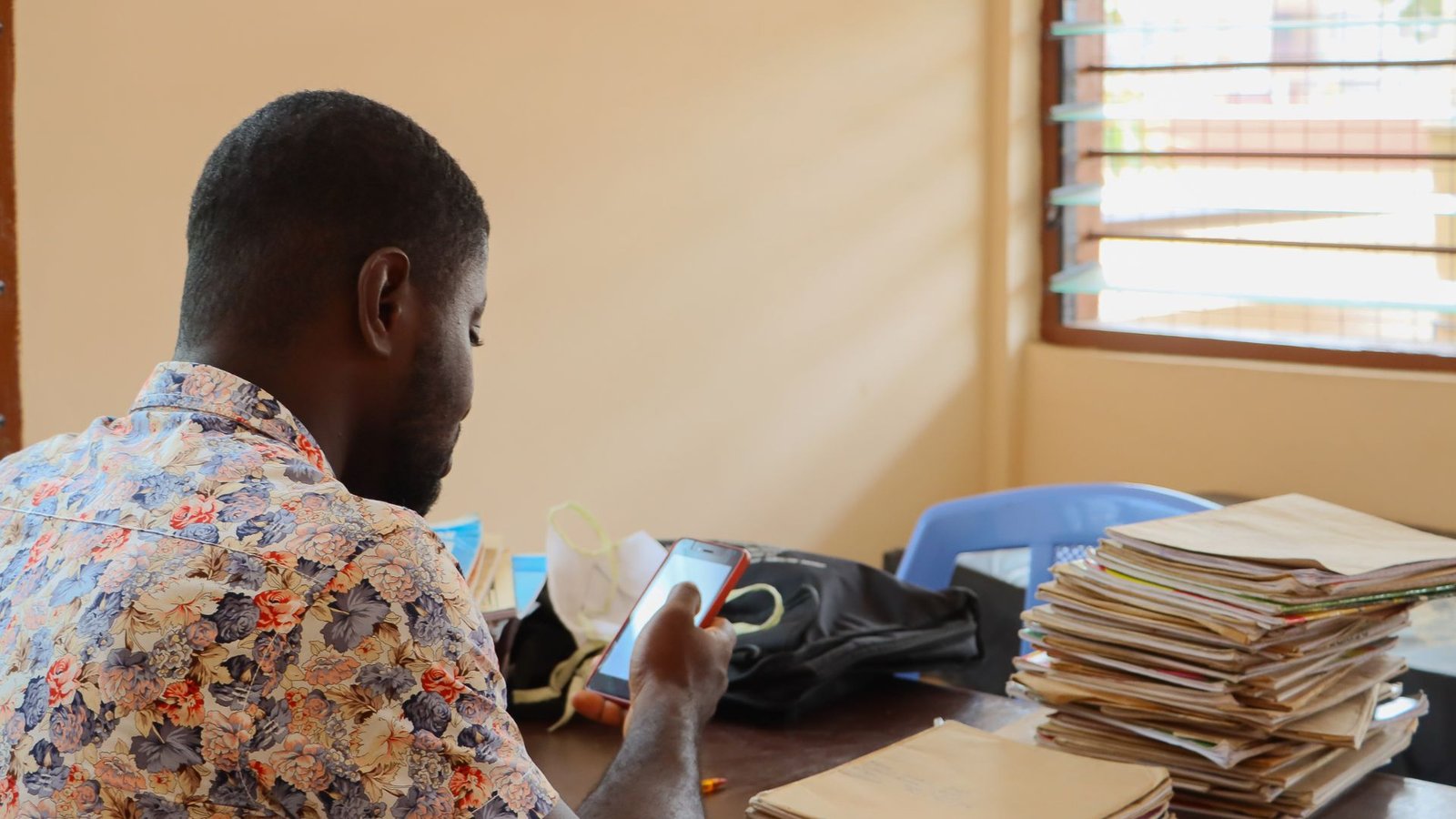
In many rural schools across Ghana, teachers carry responsibilities that extend far beyond instruction. They shape learning environments, guide student behaviour, and influence how education is experienced daily. The importance of teacher empowerment in rural Ghana has therefore become a critical factor in improving teaching quality and student outcomes. When teachers receive adequate support, classrooms become more stable, structured, and effective.
Rural schools often operate with limited resources and weak support systems. As a result, these conditions affect teaching quality and student learning outcomes. Teacher empowerment strengthens how teachers perform in classrooms; it also improves consistency, engagement, and learning outcomes over time. Therefore, understanding teacher empowerment is essential for improving rural education systems.
Understanding Teacher Empowerment in Rural Ghana
Teacher empowerment in rural Ghana refers to the professional and structural support teachers need to perform effectively. It includes access to resources, training, autonomy, and institutional support. The importance of teacher empowerment in rural Ghana remains central to improving learning quality and classroom stability. Empowerment depends on how education systems distribute support and responsibility.
To be truly empowered, teachers require:
- Access to Learning Materials: Ensuring every classroom has the basic tools to facilitate lessons.
- Continuous Professional Development: Regular workshops that keep teachers updated on modern pedagogy.
- Supportive School Leadership: Administrators who provide guidance and advocate for teacher needs.
- Classroom Autonomy: The freedom for teachers to adapt lessons to the specific needs of their rural students.
Why Support Systems Matter for Student Learning
Teacher empowerment in rural Ghana directly affects student learning outcomes. Empowered teachers deliver more structured and engaging lessons. As a result, students experience better classroom participation and learning continuity. This link between teacher support and student success is a central focus of national initiatives like the Ghana Accountability for Learning Outcomes Project (GALOP), which aims to improve education quality in the country’s most vulnerable schools. When teachers lack support, learning becomes inconsistent; however, when they are empowered, classroom stability improves significantly.
Teachers as Leaders in Rural Communities
Teachers play leadership roles in rural Ghana because schools often function as the most stable institutions in these areas. This positions teachers as key figures in both education and community life. Their leadership role emerges from structural realities, not only professional expectations; in many remote villages, the teacher is often a primary reference point for advice and motivation.
For instance, a real life example of this is the story of Portia, a teacher and mentor in rural Ghana. As featured in this CAMFED leadership profile, Portia returned to her community to ensure that more girls could stay in school and succeed. Beyond her daily lessons, she acts as a leader and a role model, providing the emotional and social support that students in remote areas often lack. By bridging the gap between the classroom and the community, Portia demonstrates how an empowered teacher can break the cycle of poverty and lead a village toward a better future.
Challenges Affecting Teacher Empowerment
Several structural challenges limit teacher empowerment in rural Ghana. These obstacles reduce teaching effectiveness and motivation.
Key Challenges:
Limited Teaching Resources In many rural districts, “teaching” often has to happen with almost nothing. This goes beyond just a lack of textbooks; it includes missing basic stationery, visual aids, and even functional furniture.
The Impact: Teachers have to rely on repetitive lectures and memorisation because they lack the tools for interactive learning. This makes it incredibly difficult to keep students engaged, especially when the teacher has to spend their own small salary to buy basic supplies for the class.
Inadequate Training Opportunities While teachers in urban areas have easier access to workshops and seminars, rural teachers are often isolated.
The Impact: Education methods evolve quickly (such as digital literacy or new child-protection laws), but rural teachers are often the last to know. Without regular training, a teacher’s skills can become stagnant, making them feel “left behind” by the national education system.
High Workload and “Role Overload” In a rural school, a teacher is rarely just a teacher. Because of staff shortages, a single educator might be teaching multiple classes at once or acting as the school’s administrator or counsellor.
The Impact: When a teacher is overworked, they cannot prepare high-quality lessons. This leads to burnout and a sense of “survival mode” rather than “teaching mode,” which eventually weakens their motivation to go above and beyond.
Weak Mentorship Systems Teaching can be a lonely profession, especially for a new teacher posted to a remote village far from home. Without a senior colleague to guide them or a formal mentorship programme to help them navigate local community dynamics, they often feel unsupported.
The Impact: New teachers are much more likely to request transfers back to the city or leave the profession entirely if they don’t have a mentor to turn to. A lack of mentorship prevents the “passing of the torch” that helps maintain high standards in a school.
How Homeland Ghana Supports Educators in Remote Areas
Homeland Ghana Educational Foundation supports teacher empowerment in rural Ghana through practical interventions. We focus on strengthening both teacher capacity and the physical learning environment through workshops and the provision of essential materials.
A key example of this is our recent partnership with IKAN Academy, where we facilitated a comprehensive two-day training session. This programme focused on modern teaching styles and effective classroom management, giving teachers practical strategies to handle diverse student needs. Furthermore, we have integrated e-learning support focused on child rights. By educating teachers on these protections, we empower them to create safer, more inclusive classrooms where every student’s rights are respected and upheld.
Long-term outcomes of teacher empowerment:
Improved academic performance
Higher student retention rates
Stronger school environments
Better community trust in education
The Future of Teacher Empowerment in Rural Ghana
The importance of teacher empowerment in rural Ghana lies in its ability to strengthen both teaching and learning systems. It directly influences classroom quality and student success. When teachers receive adequate support, learning environments become more effective. Students benefit from better engagement, structure, and consistency. Sustained investment in teacher empowerment is essential; it strengthens rural education systems and improves long-term learning outcomes.