Education is widely recognised as a pathway to opportunity, mobility, and long-term development. Yet for many families in Ghana, especially in the northern regions, access to schooling is shaped as much by cost as by ambition. The expense of education in the Upper East Region continues to affect attendance, learning outcomes, and completion rates among children. While education policies have expanded access over the years, the financial realities at household level remain a persistent barrier.
Understanding the Expense of Education in Upper East Region
The expense of education in the Upper East Region goes far beyond school fees. Even in “free” basic education systems, families still pay for essential learning needs.
These include:
- School uniforms
- Exercise books and stationery
- Textbooks and revision materials
- Transportation to and from school
- Examination and registration fees
- PTA levies and school contributions
For many households, these costs are not one time payments. They repeat every term or every academic year. This creates constant financial pressure and often determines whether a child attends school consistently or stays home.
Why Families in the Upper East Region Face Greater Pressure
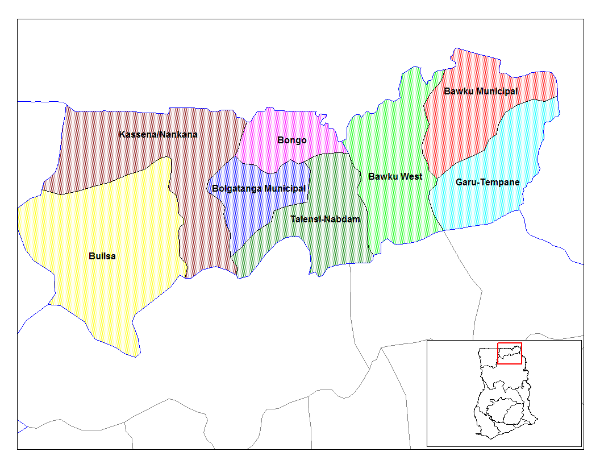
The expense of education in the Upper East Region is intensified by structural and economic conditions that limit household financial stability. Many families depend on seasonal agriculture and informal livelihoods, where income is not only low but also unpredictable. This makes it difficult to plan consistently for school related expenses across an entire academic year.
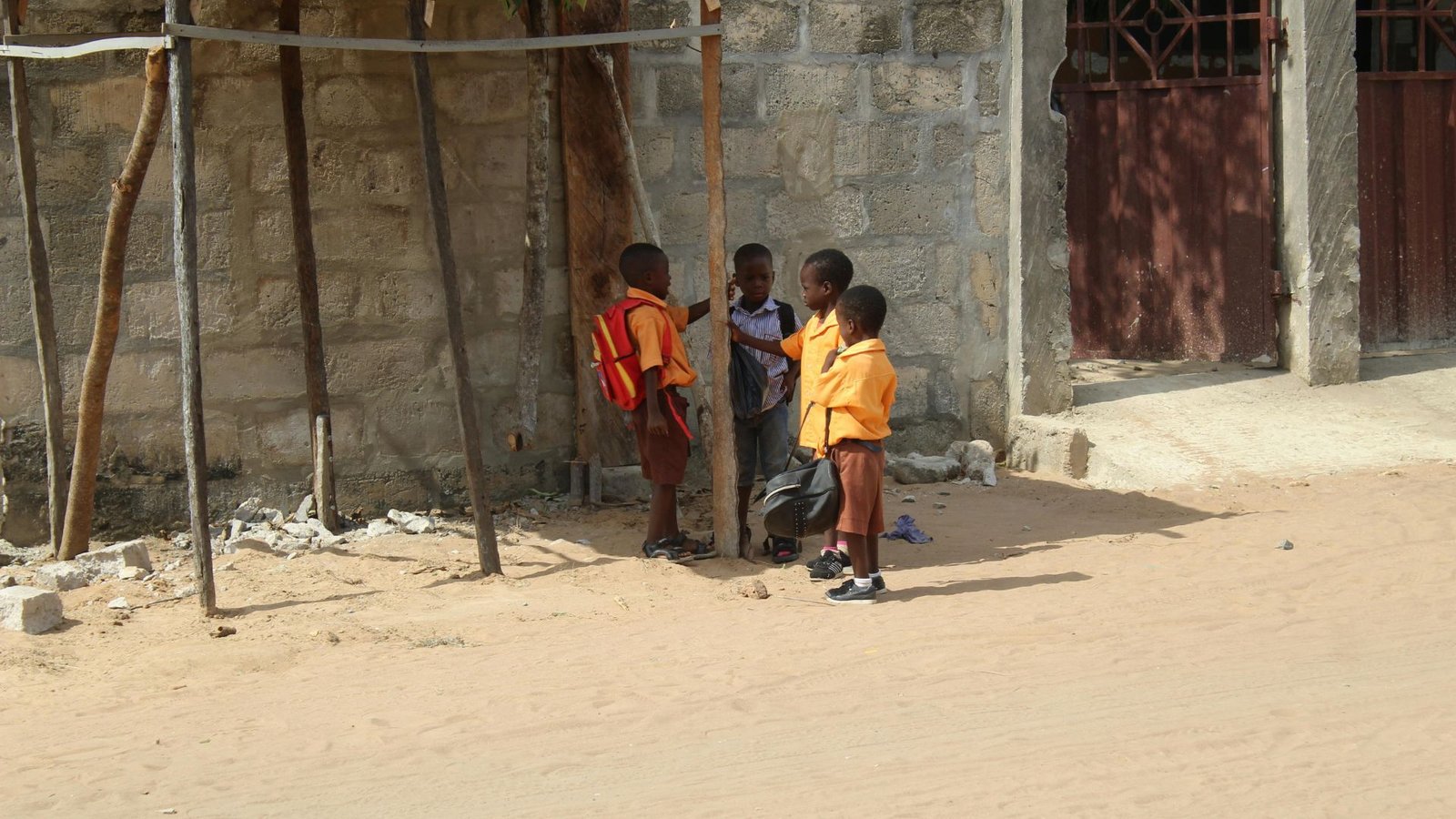
Geography also plays an important role. In several communities, children travel long distances to reach the nearest school, and where transport is required, it introduces an additional cost that some families cannot afford. Limited infrastructure and uneven distribution of educational resources further deepen these challenges, particularly in rural areas where schools may lack adequate learning materials or support systems.
Recent research on household education spending in Ghana shows that families continue to shoulder a significant share of the cost of schooling despite free basic education policies. Studies using Ghana Living Standards Survey data indicate that household spending on basic education can account for approximately 17.7% of annual household income, mainly driven by indirect costs such as learning materials, transport, and school related fees. This highlights the fact that education in Ghana is still heavily financed at the household level, particularly affecting low income and rural communities in regions such as the Upper East Region.
The Impact on Learners and Educational Outcomes
When families are unable to meet the full cost of schooling, the effects are quickly reflected in children’s educational experiences. Irregular attendance becomes common, as learners miss school during periods when fees or basic requirements cannot be met. Over time, this leads to gaps in learning that are difficult to recover from, affecting overall academic performance.
In more severe cases, financial pressure contributes to early withdrawal from school. Some children are required to assist with household income generation or domestic responsibilities, while others disengage from schooling entirely. For girls, these challenges can also increase vulnerability to early marriage or long term interruption of education, reinforcing existing inequalities in access and attainment.
Wider Social and Economic Consequences
The implications of the cost of education in the Upper East Region extend beyond individual learners and affect the broader development trajectory of communities. When children do not complete their education, the region loses future skilled workers, professionals, and leaders who are essential for long term growth and social progress.
This contributes to a cycle where limited educational attainment reinforces existing economic hardship. Communities with lower levels of education often experience reduced access to skilled services, slower economic development, and fewer opportunities for upward mobility. Education, therefore, functions not only as a personal investment but also as a critical driver of regional transformation.
Efforts to Reduce the Financial Burden of Education
Addressing the expense of education in the Upper East Region requires coordinated and sustained action across multiple levels. Reducing financial barriers involves more than improving enrolment figures; it requires ensuring that children are able to remain in school consistently and complete their education without interruption.
This includes strengthening access to learning materials, improving school infrastructure in rural communities, and expanding targeted support for students that cannot access consistent education. Community based interventions also play an important role in bridging gaps that formal systems may not fully address.
Non governmental organisations continue to contribute by supporting schools with learning resources, improving educational environments, and working to reduce the everyday barriers that prevent children from fully participating in education.
The expense of education in the Upper East Region remains a significant barrier to equitable learning outcomes. While access to schooling has improved over time, the ongoing financial demands associated with education continue to influence attendance, performance, and completion rates. Addressing these challenges requires sustained investment and collective responsibility to ensure that education remains not only accessible in principle, but achievable in practice for every child.