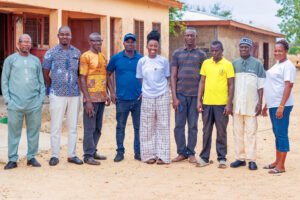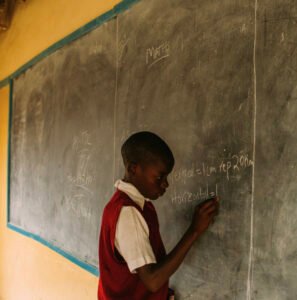
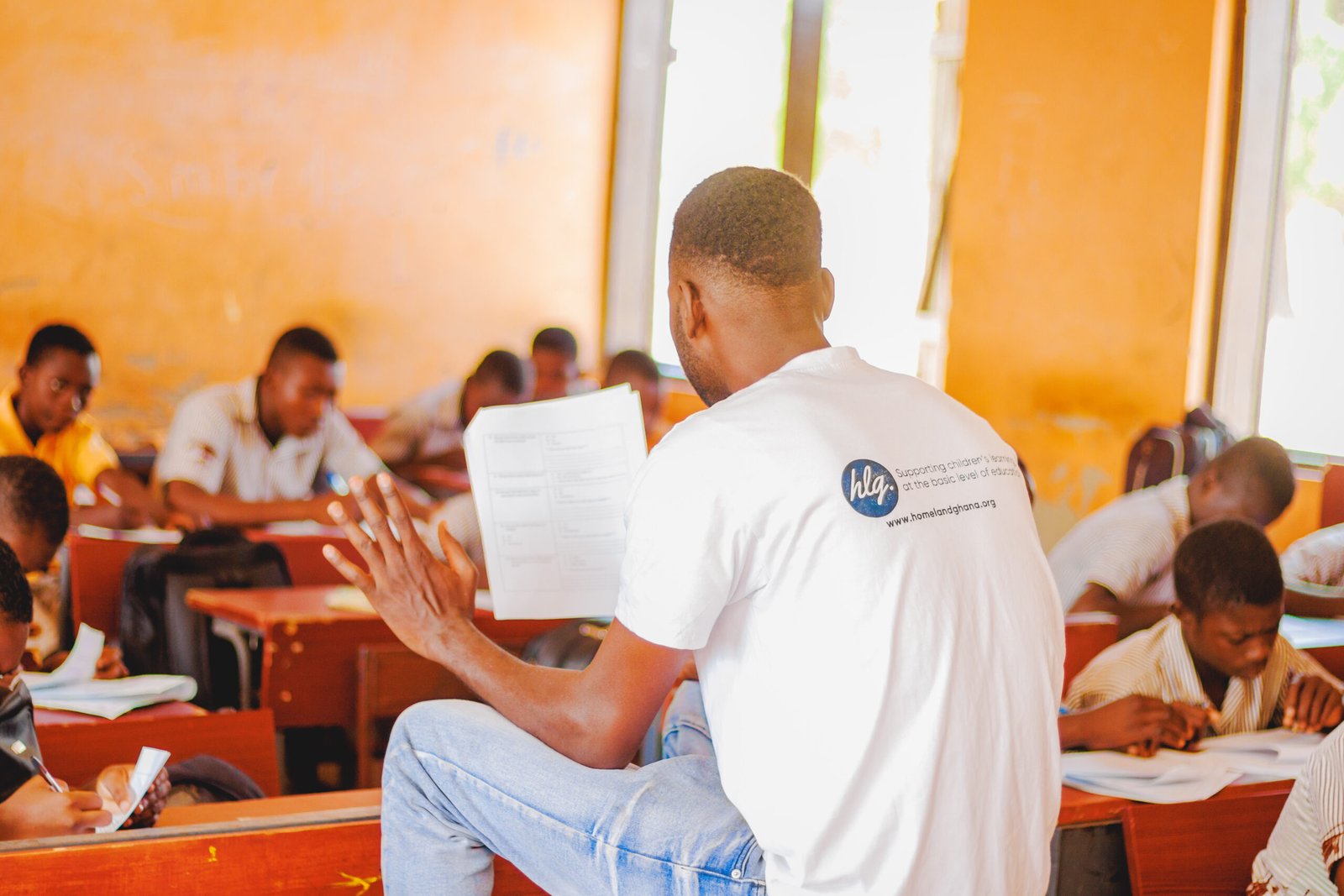
Eight years ago, we began with a clear and urgent purpose: to ensure that children in Siniensi could learn in environments that were safe, dignified, and conducive to meaningful education. What started in 2018 as targeted support for one Primary school and one Junior High School (JHS) in the Builsa North District has since evolved into a wider, sustained commitment to improving educational access, child wellbeing, and equity across rural communities.
Today, our organisation’s footprint extends to more than 68 basic schools and partnerships in Builsa North District, reaching over 3,600 students, and has grown beyond the provision of learning materials to encompass child protection, girls’ education, school infrastructure improvement, and experiential learning opportunities.
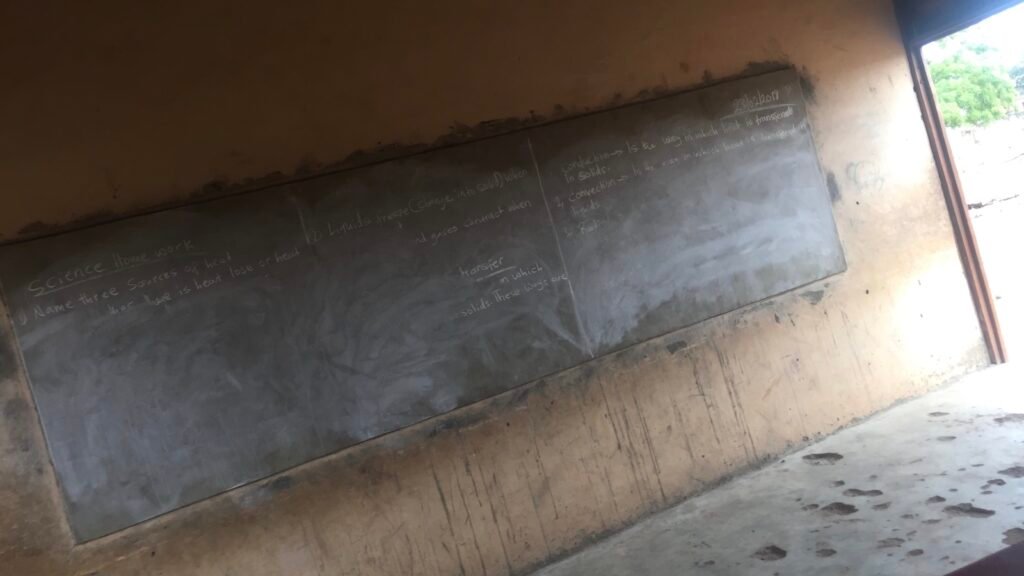
The early phase of the intervention focused on addressing immediate classroom needs through the provision of curriculum aligned textbooks and the replacement of damaged blackboards. However, it soon became evident that educational materials alone were insufficient when learning environments remained unsafe or demotivating.
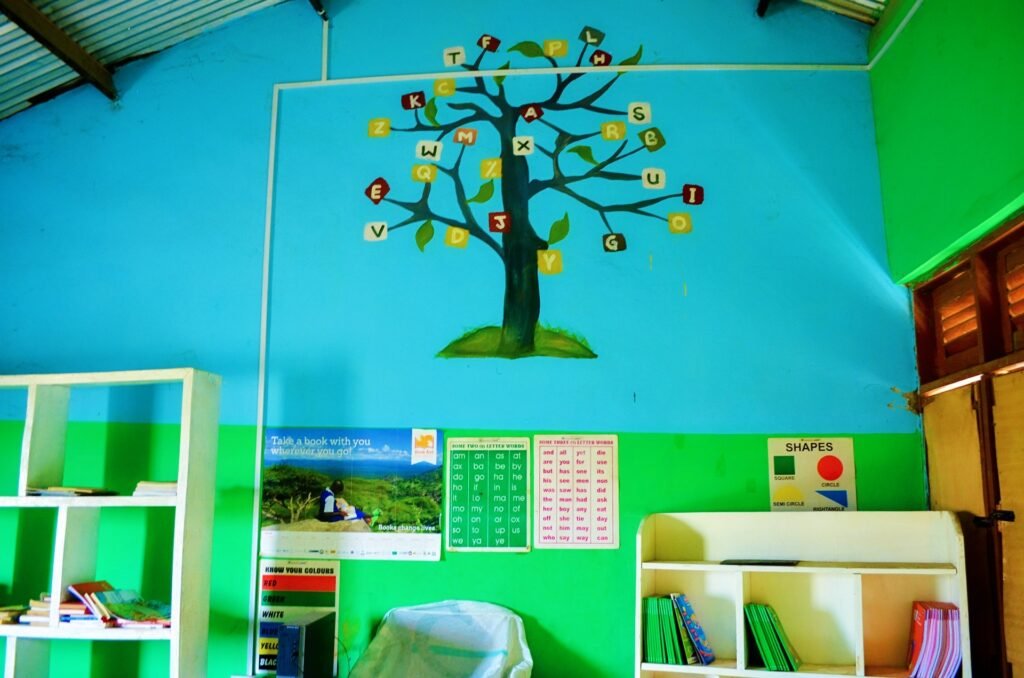
By 2019, our work had expanded to include infrastructure enhancements, including the establishment of a school library stocked with over 500 storybooks and the refurbishment of classrooms with educational artwork, improved flooring, and safer learning conditions for more than 350 students.
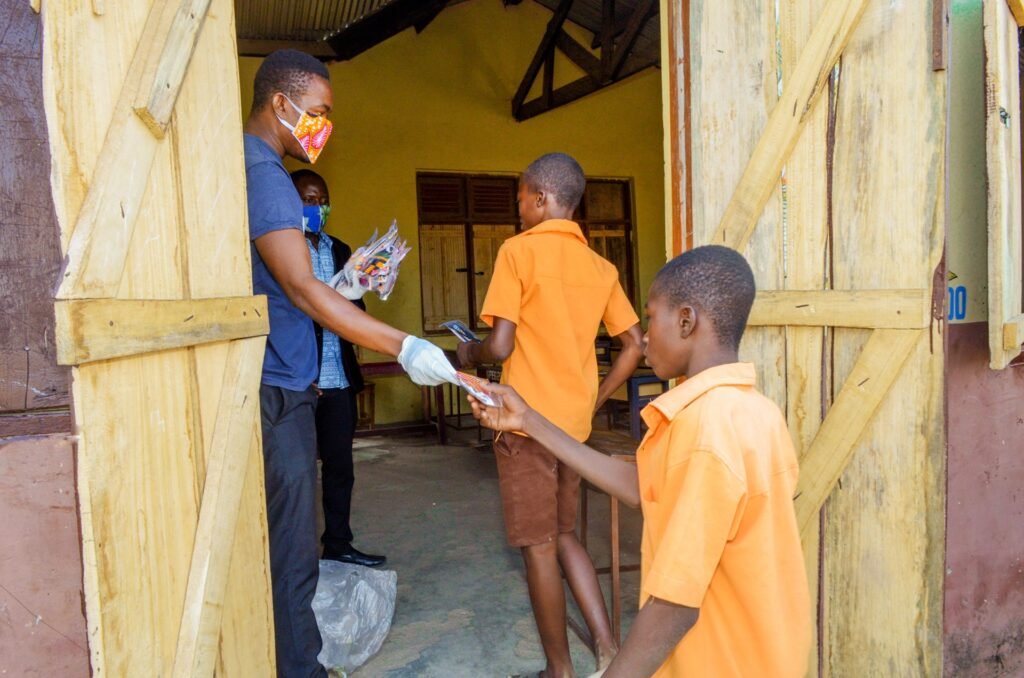
In 2020, in response to the disruptions caused by the COVID-19 pandemic, we adapted to meet urgent community needs by distributing PPE and handwashing materials, alongside health sensitisation sessions for students and families in Siniensi and Kori. This emergency response later received recognition from the International Human Rights Commission.
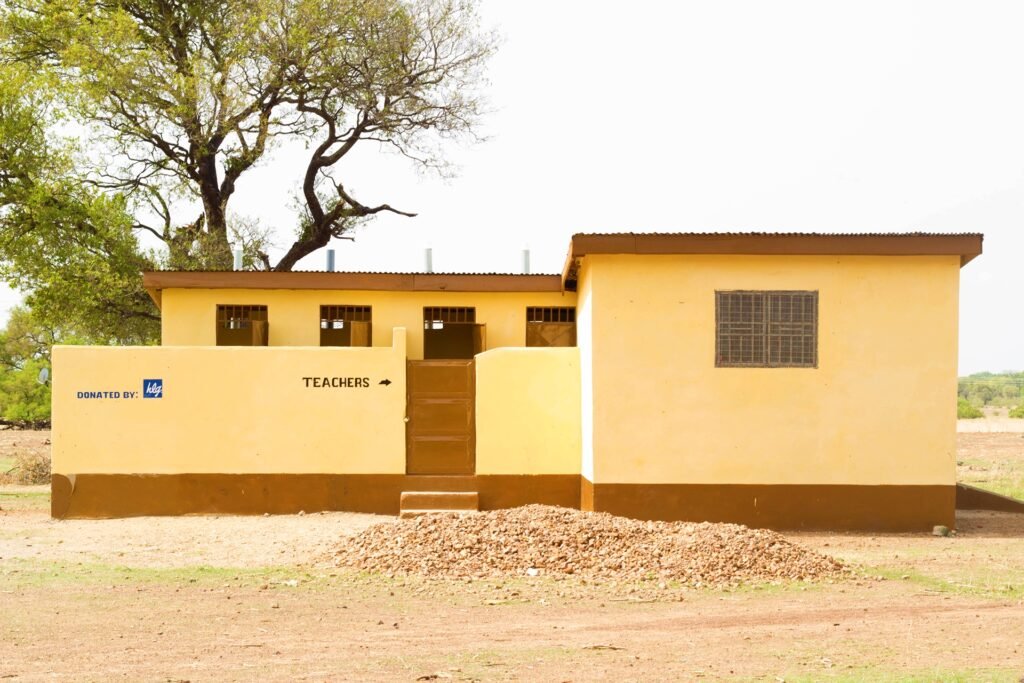
A defining milestone in our journey came in 2021 with the launch of the “Buy a Brick” campaign. Supported by over 300 donors across 21 countries, the initiative raised approximately £7,000 to construct a safe and private toilet facility for students in Siniensi, directly addressing a critical barrier to school attendance, particularly for girls. In the same year, a structured menstrual hygiene project was introduced through the monthly distribution of sanitary pads to schoolgirls. This initiative has since expanded, and in 2025 alone, 234 girls in Alabyeri and Siniensi Junior High Schools received sustained support over an eight-month period, contributing to improved attendance and an estimated 12 per cent improvement in end of term academic performance among participating learners.
In 2025, our interventions were further strengthened across partner schools through targeted improvements in teaching and learning environments. This included the provision of curriculum aligned textbooks, installation of marker boards and classroom improvements like installation of windows and doors. These upgrades directly benefited 297 students and 15 teachers across two schools.
We have increasingly prioritised child protection and empowerment under the leadership of our founder, Rhoda Agilinko. In collaboration with the Social Welfare Department, child rights workshops based on the United Nations Convention on the Rights of the Child (UNCRC) have been introduced across schools, equipping learners with knowledge on personal safety, safeguarding mechanisms, and reporting pathways. These sessions strengthened awareness and confidence of students.
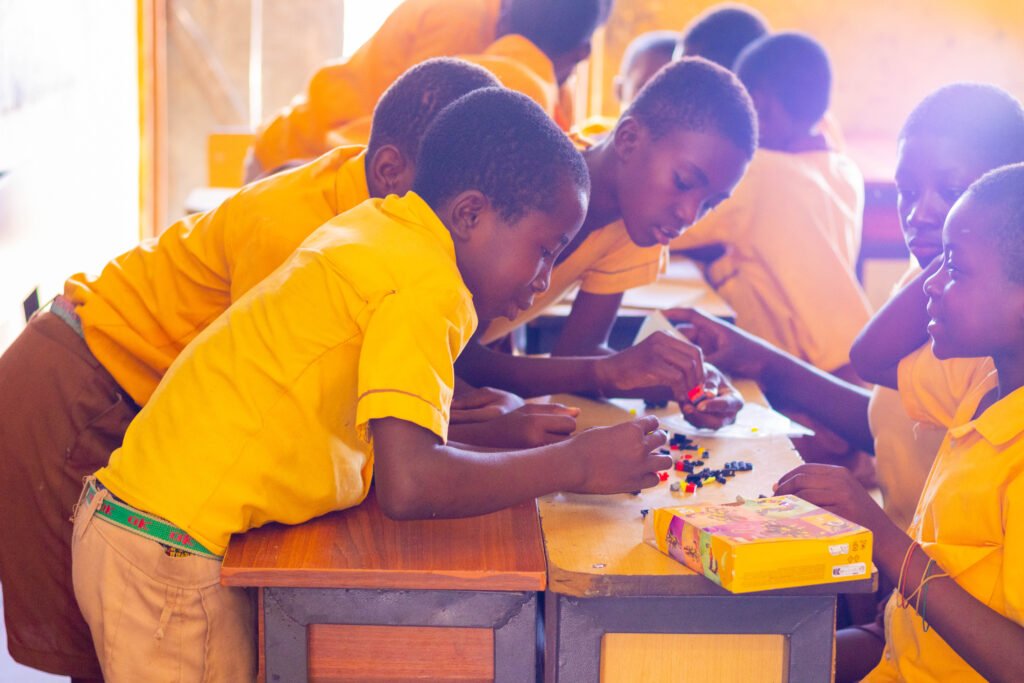
We have made efforts to broaden learning experiences through more interactive and creative methodologies. LEGO Play workshops introduced across 15 schools engaged over 425 students in hands-on, collaborative learning activities rooted in local agricultural themes. These sessions fostered creativity, teamwork, communication, and problem solving skills, with teachers reporting noticeable improvements in student confidence and participation.
Across communities, the impact of these combined interventions is reflected in strengthened inclusion, improved school participation, and enhanced learner confidence. Support for students facing education barriers through uniform provision, alongside safeguarding education and experiential learning, has helped reduce barriers that previously limited access and engagement.
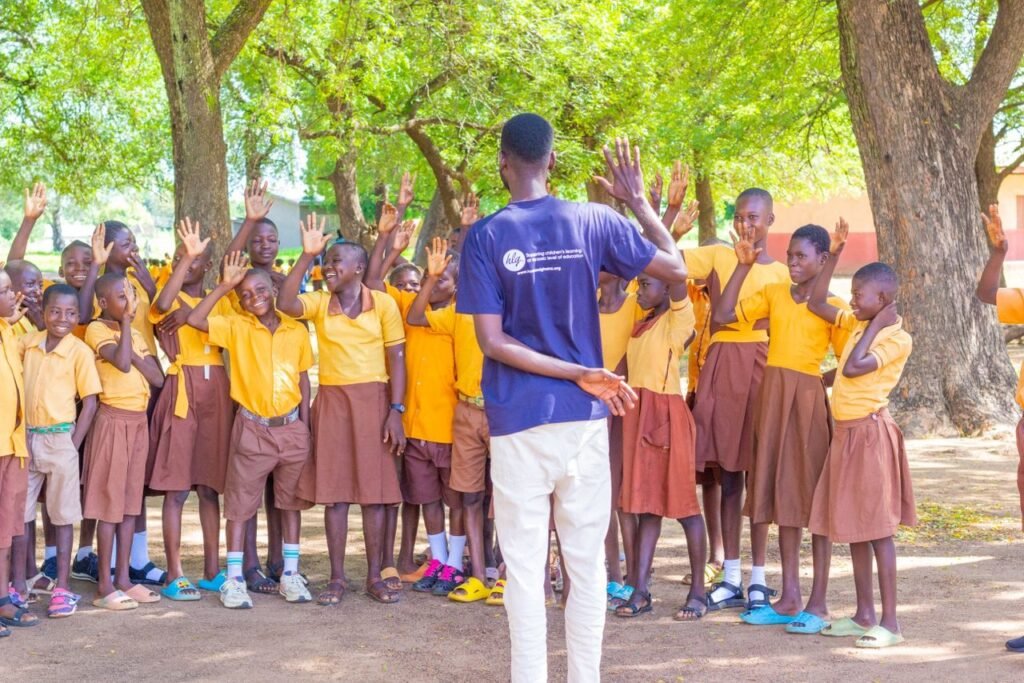
As we mark eight years of work, the focus remains on consolidating gains, scaling effective interventions, and deepening partnerships with schools, traditional leaders, the Ghana Education Service and development partners. This milestone also serves as a reminder that sustained transformation in rural education is rarely the product of large, singular interventions, but rather the accumulation of consistent, intentional efforts over time.
Learn more about our work, partner with us, or support future initiatives through Homeland Ghana.