Gabriel Johnson, Director of Education

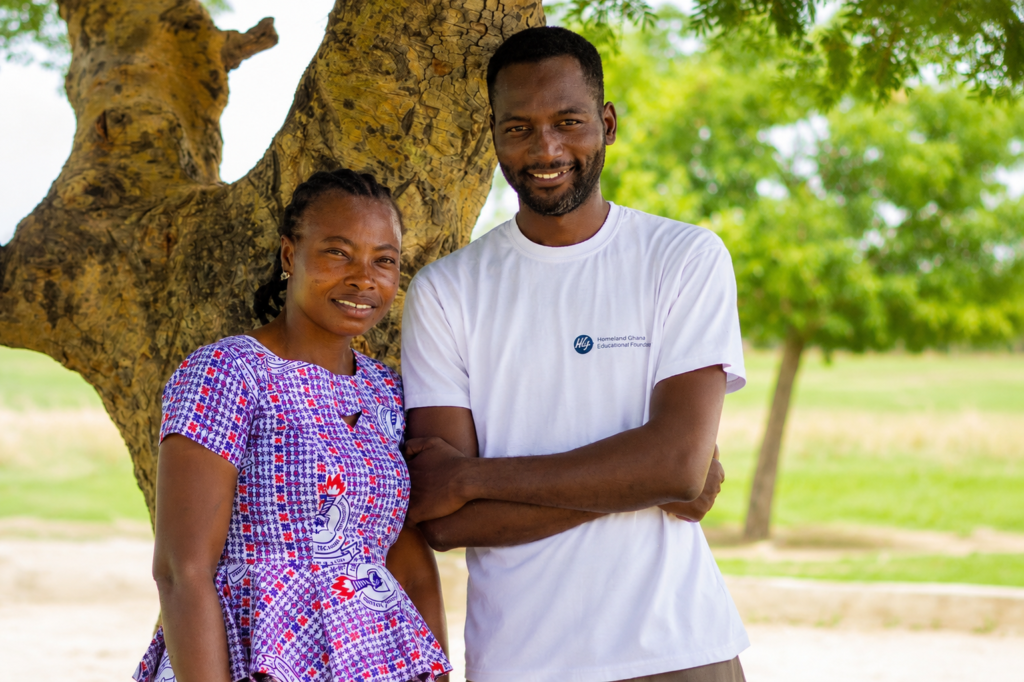
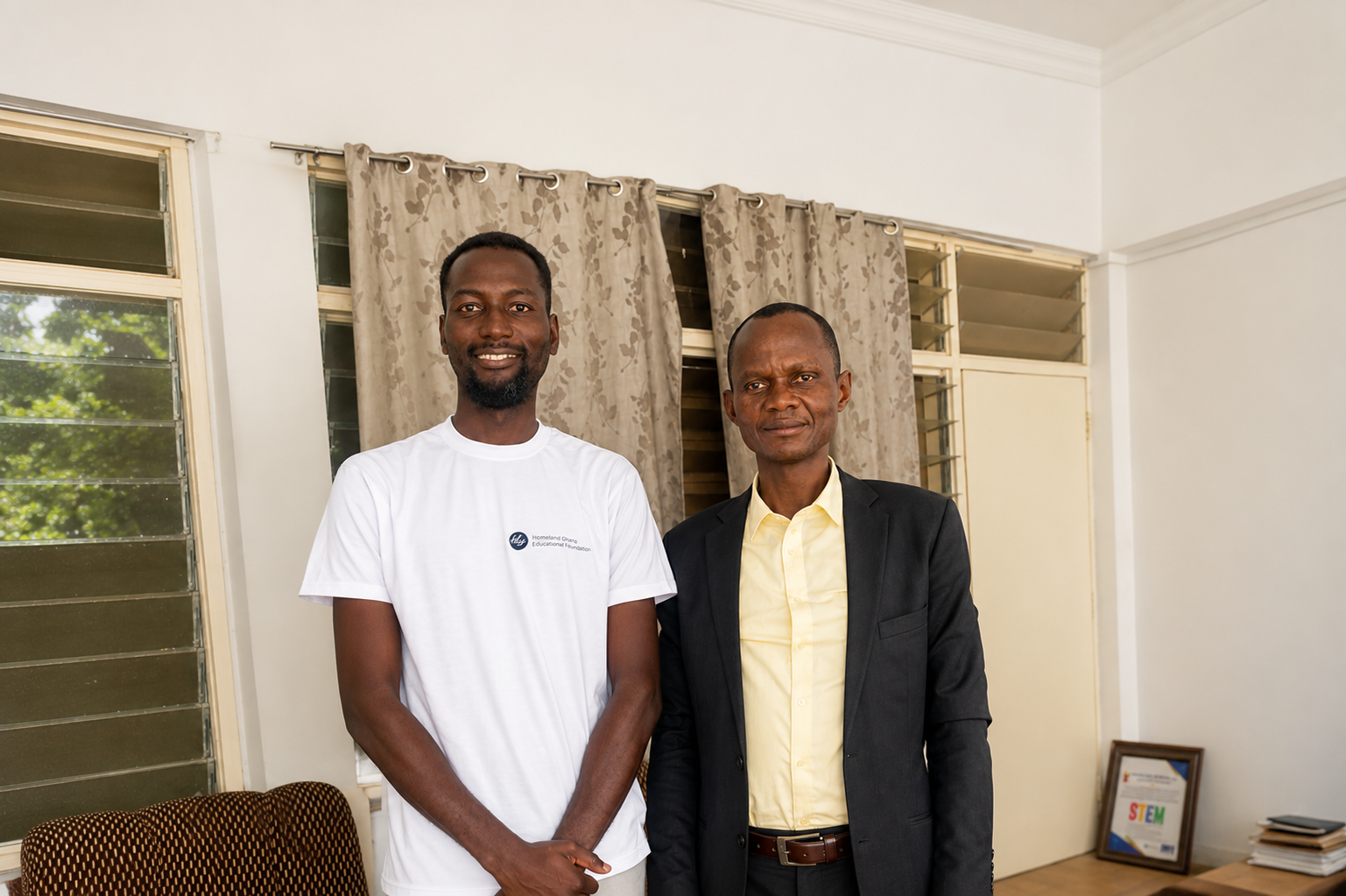
Homeland Ghana staff member meeting with Builsa North Municipal Director of Education, Gabriel Johnson, to discuss improving basic education in Ghana

Gabriel Johnson, Municipal Director of Education for Builsa North Ghana Education Service, with a Homeland Ghana staff member during a meeting to discuss improving basic education across the district.


“The girl child is always kept in school, learning with their counterparts.”


Homeland Ghana’s basic education initiatives are helping children across the Builsa North District stay in school and learn in safer, more supportive environments. In this testimonial, Gabriel Johnson, Municipal Director of Education for Builsa North Ghana Education Service, reflects on how Homeland Ghana’s work providing sanitary pads, school uniforms, learning materials and classroom renovations has strengthened education across the district.

My name is Gabriel Johnson, the current Municipal Director of Education for Builsa North Ghana Education Service.

I am very grateful to share my experience with Homeland Ghana and to thank you for the good work you have been doing in the district and Ghana for that matter.

Your achievements are clear for all to see.

Keeping Girls in School

One of the areas where Homeland Ghana has made an impact is through the provision of sanitary pads for girls.

Some girls normally do not attend classes and do not go to school when they are in their menstrual cycle period. But with the provision of these sanitary pads, the girl child is always kept in school, learning with their counterparts, the boys.


Helping Children Attend School with Confidence

Homeland Ghana has also been doing well in other areas, including the provision of school uniforms for students with tattered uniforms.

That can also prevent the boy child from going to school.

With the assistance we have been given, identifying them and giving them uniforms has kept the boy child in school.


Providing Essential Learning Materials

The provision of stationery for our schools is excellent.

It is like the government has forgotten the basic level, I mean the primary, KG and JSS levels.

The concentration of government is on Free Senior High School, with the neglect of the basic schools.

So, Homeland Ghana coming in to provide support to our boys and girls is going a long way to push them to work hard, pursue their academic programmes and pursue their academic work with success.


Creating Better Learning Environments

Homeland Ghana has also taken two schools to renovate, Sinsieni Primary School and Kori Primary School.

I have seen the pictures, and my team has also mentioned to me that you have done excellent work there.

That is also commendable.


“We thank you so much for all these efforts. We appreciate the good work Homeland Ghana is doing and encourage them to continue extending their helping hand to communities that need the support.”


Gabriel Johnson’s testimony highlights the importance of working together to remove barriers to education. Through the provision of sanitary pads, school uniforms, learning materials and improved learning environments, Homeland Ghana is helping more children stay in school and reach their full potential.

Share:

More Posts

Homeland Ghana staff member with Marisha Chuawari, Basic One teacher and Homeland Coordinator at Kori Primary School in Ghana

Marisha, Teacher

Marisha Chuawari, Basic One teacher and Homeland Coordinator at Kori Primary School, with a Homeland Ghana staff member during a

Homeland Ghana staff member meeting with Builsa North Municipal Director of Education, Gabriel Johnson, to discuss improving basic education in Ghana

Gabriel Johnson, Director of Education

Gabriel Johnson, Municipal Director of Education for Builsa North Ghana Education Service, with a Homeland Ghana staff member during a

Teacher displaying curriculum textbooks provided by Homeland Ghana at Siniensi Junior High School in Ghana

Ali Alikali, Former Headmaster

  “Thanks to Homeland Ghana, many of these challenges are now things of the past.”   Homeland Ghana’s education programmes