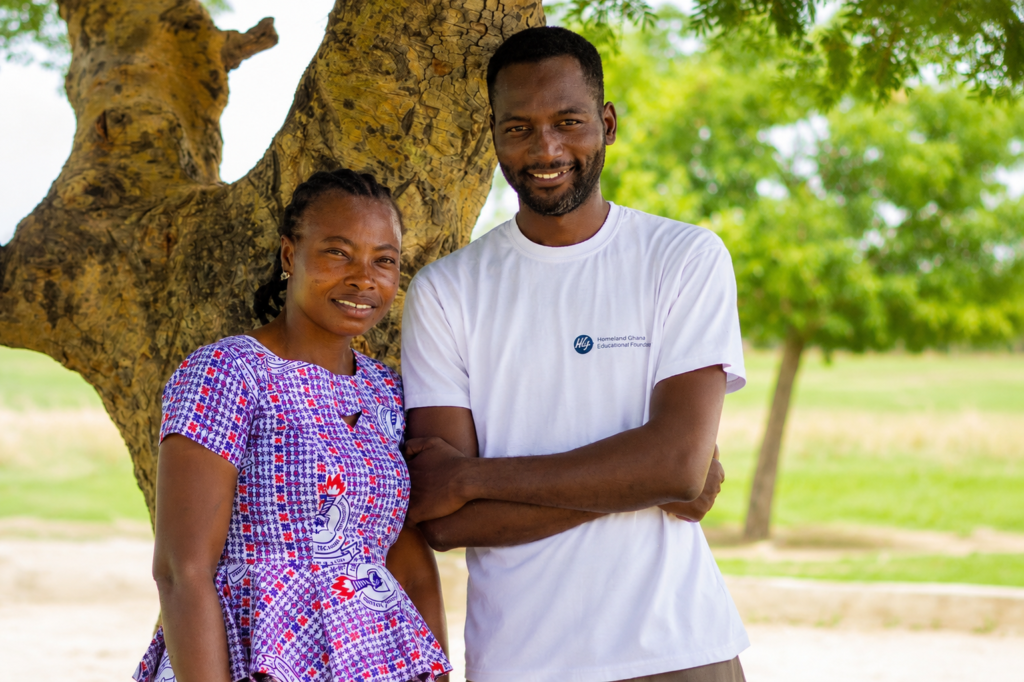
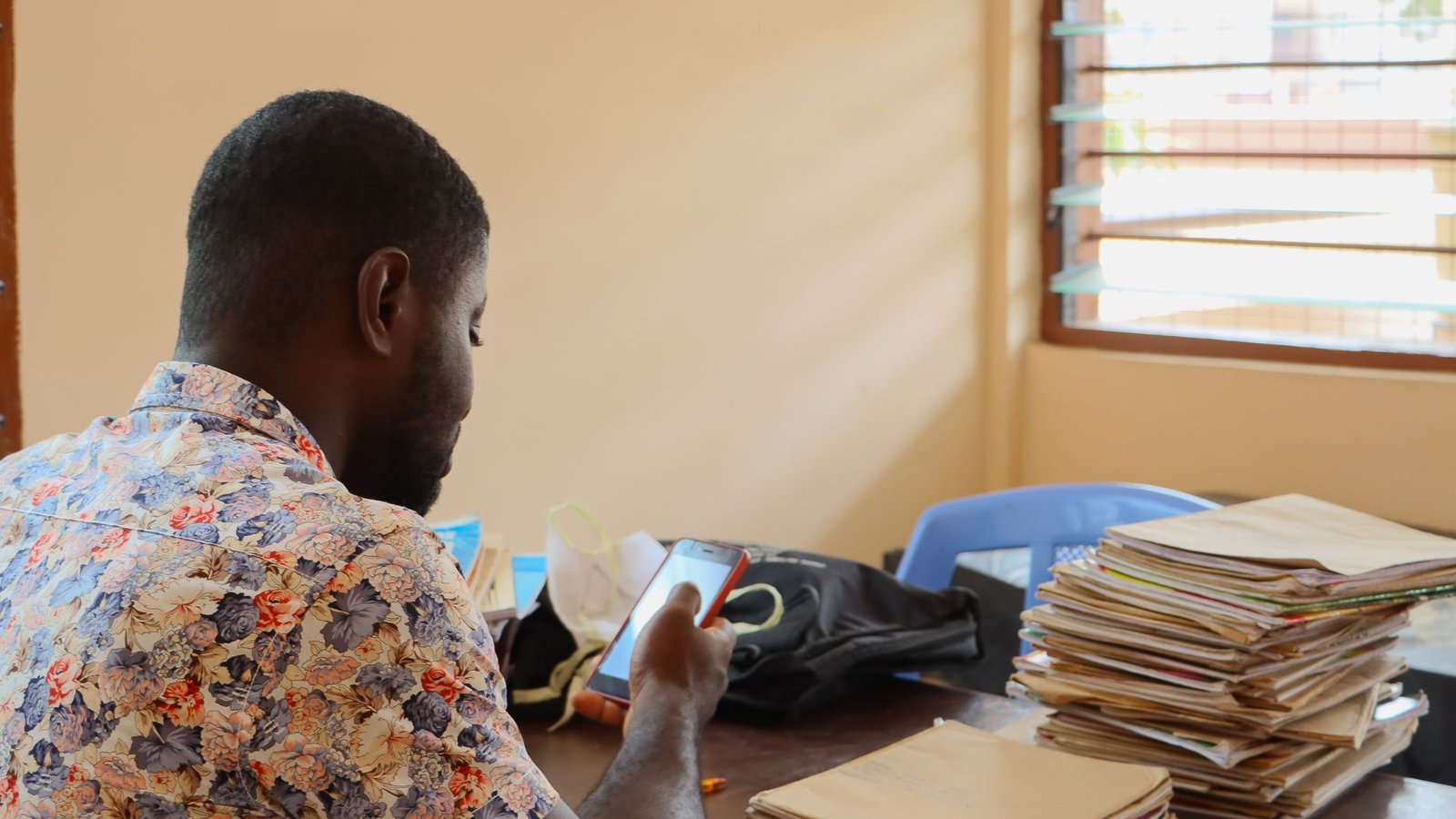
“Thanks to Homeland Ghana, many of these challenges are now things of the past.”
Before Homeland Ghana started operating in my school and community, we faced several challenges.
There was a lack of teaching and learning materials, including textbooks, cardboards, white marker boards and other educational resources.
Teachers also lacked textbooks that matched the new curriculum. There was no teachers’ toilet, some school buildings were dilapidated, and we did not have a modern toilet facility or changing room for girls during menstruation.
Many students also did not understand their rights as children, and this affected their confidence and participation in school activities.
When Homeland Ghana arrived, they introduced several impactful programmes and interventions.
These included:
- Child rights and responsibilities training for students and teachers
- Construction of an eight-seater toilet facility with a changing room
- Teaching and learning materials for teachers and students
- Painting the entire school building
- Educational field trips for students and teachers
- Monthly sanitary pad distribution for all female students
Together, these initiatives addressed many of the barriers that had previously affected teaching and learning.
My impression of Homeland Ghana’s work was very positive because I knew it would have a meaningful impact on our pupils.
The child rights and responsibilities workshops helped students become more confident and prepared to face challenges both inside and outside the classroom.
The monthly distribution of sanitary pads helped girls remain in school throughout their menstrual cycle without worrying about embarrassment or missing lessons.
Students also learned about their rights and responsibilities, including who they could speak to if those rights were denied or violated. As a result, some students became confident enough to take on leadership roles within the school and the wider community.
A great deal has changed since Homeland Ghana began working in our local school. Girls who previously stayed home because they could not afford sanitary pads now receive them every month. Teachers and students now benefit from a modern toilet facility and washroom. Teachers have received curriculum textbooks, the school buildings have been maintained, and children continue learning about their rights so they can advocate for themselves with confidence.
Before Homeland Ghana started operating in our community, Siniensi Junior High School faced many educational challenges.
Today, many of those challenges are things of the past.
To other educators, communities and partners, Homeland Ghana is one of the best things that can happen to any community that is interested in the education of its children and the development of the community. Donors, partners and philanthropists who would like to support the good works of Homeland Ghana should do so without hesitation.