Across rural communities in Ghana, limited access to menstrual products and inadequate menstrual health education remain major barriers to girls’ education. Period poverty is defined as the lack of access to sanitary products, menstrual education, and safe sanitation facilities prevents thousands of schoolgirls from attending school consistently. For many girls, menstruation is not only a health issue but an educational and social challenge that affects confidence, dignity, and long-term life outcomes.
Without reliable menstrual products, girls often miss school during their periods, fall behind academically, or withdraw from classroom participation. Over time, these disruptions increase the risk of school dropout and limit future opportunities. Addressing menstrual health is essential to promoting gender equality in education and supporting girls’ holistic development.
Period poverty is caused by low income, lack of affordable menstrual products, limited access to clean water and sanitation, and deeply rooted cultural stigma. In rural areas, menstruation is still treated as a taboo subject, leaving girls unprepared for their first period and afraid to seek guidance. According to global development organisations, inadequate menstrual hygiene management directly undermines girls’ education and well-being (see UNICEF’s work on menstrual hygiene management).
Menstrual Health, Confidence, and Dignity
Access to menstrual products and menstrual education restores confidence and dignity among adolescent girls. When girls understand their bodies and have the tools to manage menstruation safely, they are more likely to attend school regularly, participate confidently in class, and engage socially without fear or shame.
The lack of menstrual education in rural communities reinforces harmful myths. Girls may internalise stigma, view menstruation as something shameful, and lose confidence during a critical stage of their development. Menstrual health education is therefore a key component of girls’ empowerment and academic success.
Homeland Ghana Educational Foundation’s Work
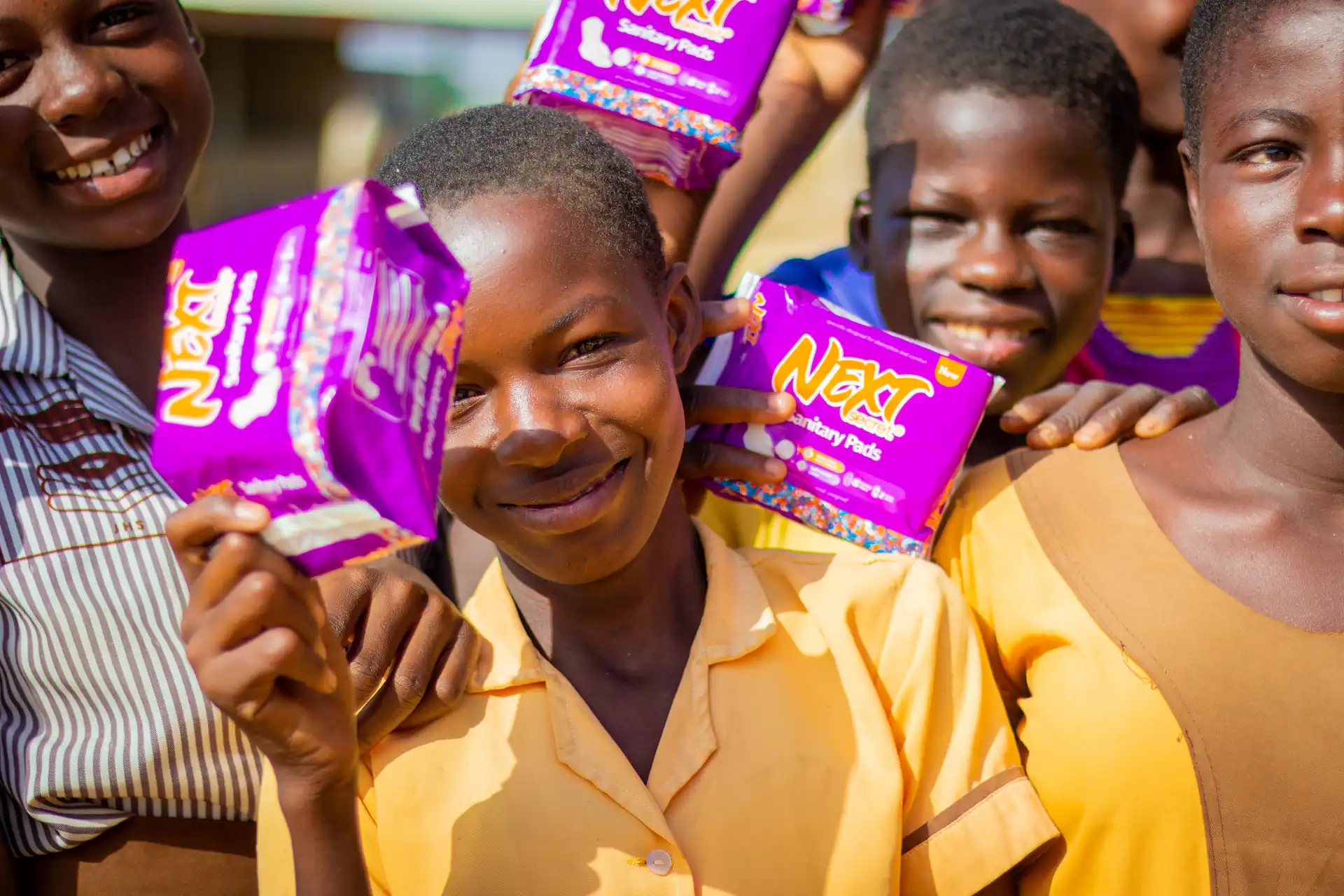
For the past four years, Homeland Ghana Educational Foundation has implemented a consistent menstrual support intervention for basic school girls in the Upper East Region of Ghana. Through monthly distribution of sanitary pads, the Foundation has helped reduce school absenteeism linked to menstruation and supported girls to remain engaged in their classrooms.
Through sustained community engagement, the Foundation recognised that providing sanitary pads alone cannot fully address the challenges of period poverty. Holistic impact requires menstrual health education, open dialogue, and empowerment focused interventions. This insight informed the redesign and expansion of the initiative.
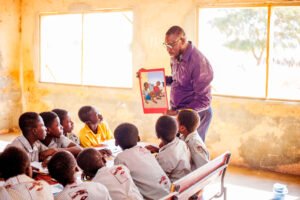
From January 2026, Homeland Ghana Educational Foundation will launch the Improved PADs Project, an enhanced menstrual health intervention that integrates sanitary pad distribution with structured menstrual health education and empowerment sessions. It will:
Encourage consistent school attendance by ensuring access to sanitary pads
Provide comprehensive menstrual health education to address stigma and misinformation
Create safe spaces for girls to ask questions and share experiences
Build confidence, self-esteem, and life skills through empowerment sessions
The project runs throughout the year, offering ongoing support and lasting impact for girls in the Builsa North District.
Looking Ahead: Supporting Girls Through Education and Partnership
Homeland Ghana Educational Foundation reaffirms its commitment to ensuring that menstruation does not hinder a girl’s education or limit her future potential. By addressing both access to menstrual products and menstrual education, the improved PADs Project tackles period poverty at its roots.
Supporting menstrual health education helps girls stay in school and build confidence. Partners, educators, and communities can play a role in creating these opportunities.