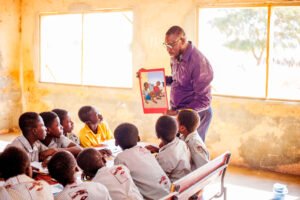
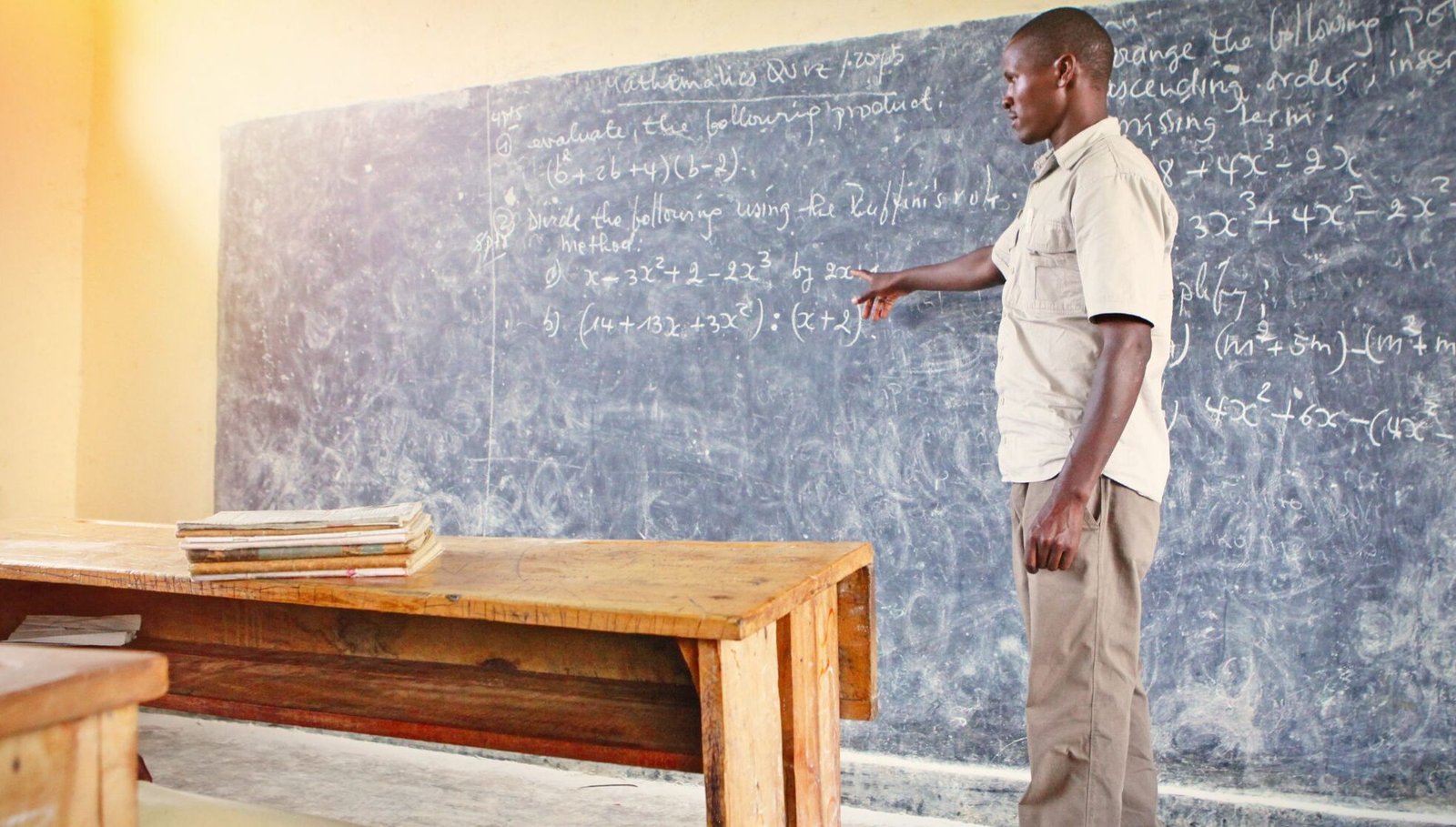
Picture a classroom in rural Ghana.
The walls and desks may be simple, yet the space is alive with possibility. Each child who walks through that doorway carries a story, a dream, and a spark of potential. For many learners, education is about more than textbooks, exams, and certificates. In rural communities, the journey can be more complex.
Many rural communities regard schools primarily as places of learning. However, schools also create spaces for community, optimism, and promise. Learners in these areas frequently encounter obstacles that go beyond academics, which can quietly affect their confidence and growth. Every learner, whether in an urban or rural community, deserves the opportunity to excel not only academically, but also in courage, creativity, and leadership.
Why Holistic Education Matters in Ghana
A classroom stocked with books and desks is essential. However, without confidence, encouragement, and resilience, education is incomplete. Support that addresses both mind and spirit helps children see themselves as capable, resilient, and ready to contribute to their communities. When children are given both the resources to learn and the encouragement to believe in themselves, the impact reaches beyond school walls. It can touch families, inspire communities, and shape the future of Ghana.
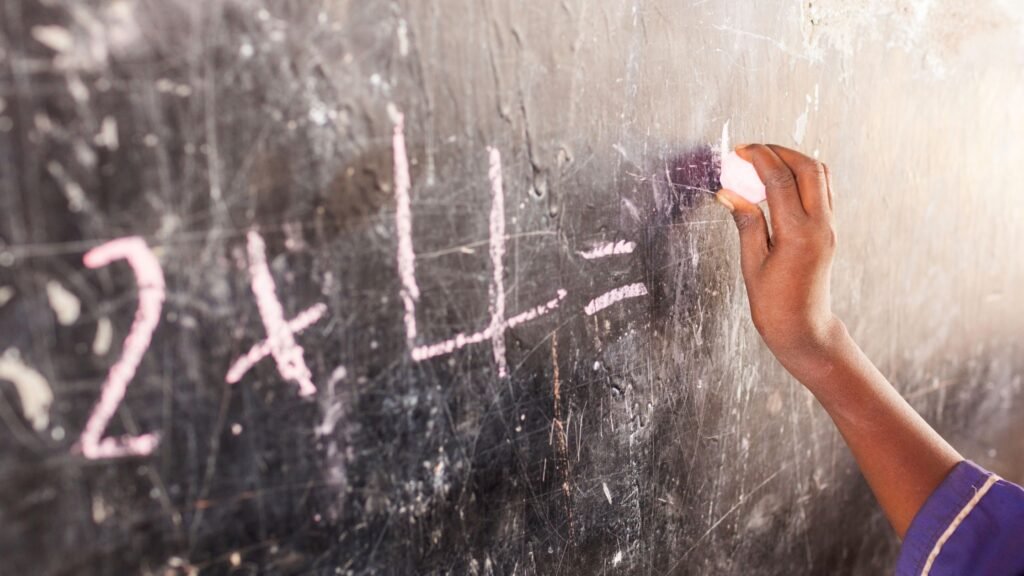
Our Three Pillars of Empowerment
Access to Resources – Providing students with the tools and opportunities that strengthen their foundation in basic education.
Psychological Empowerment – Instilling resilience, confidence, and leadership, reminding children that their voices matter and their aspirations are valid.
Community Engagement – Partnering with families, teachers, and local authorities to create environments where education is celebrated, protected and sustained.
Something remarkable happens when children are provided with comprehensive support. They begin to see themselves as capable of determining where their communities can go rather than being restricted by their circumstances. They begin to think: “I can learn. I can lead. I can contribute to my world.”
At its core, basic education is about cultivating courage, shaping identity and driving transformation as much as it’s about knowledge.
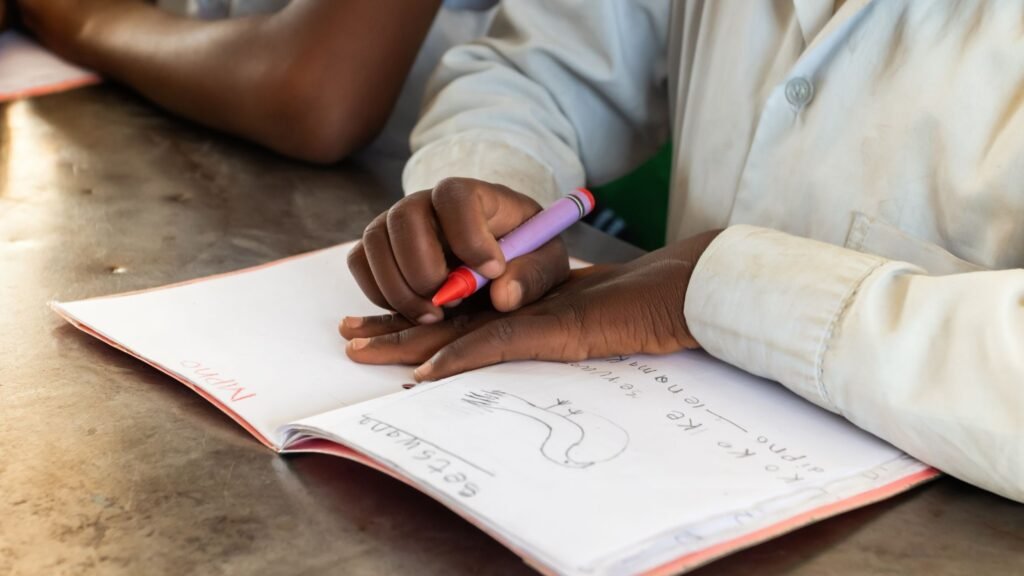
Our work aligns with Sustainable Development Goal 4: inclusive and equitable quality education for all. For us, this is more than a global goal; it is a commitment to children’s potential.
-
Every learner should be supported.
-
Education should empower both mind and spirit.
-
Today’s learners are the leaders of tomorrow.
Every effort contributes to a stronger, more inclusive education system.