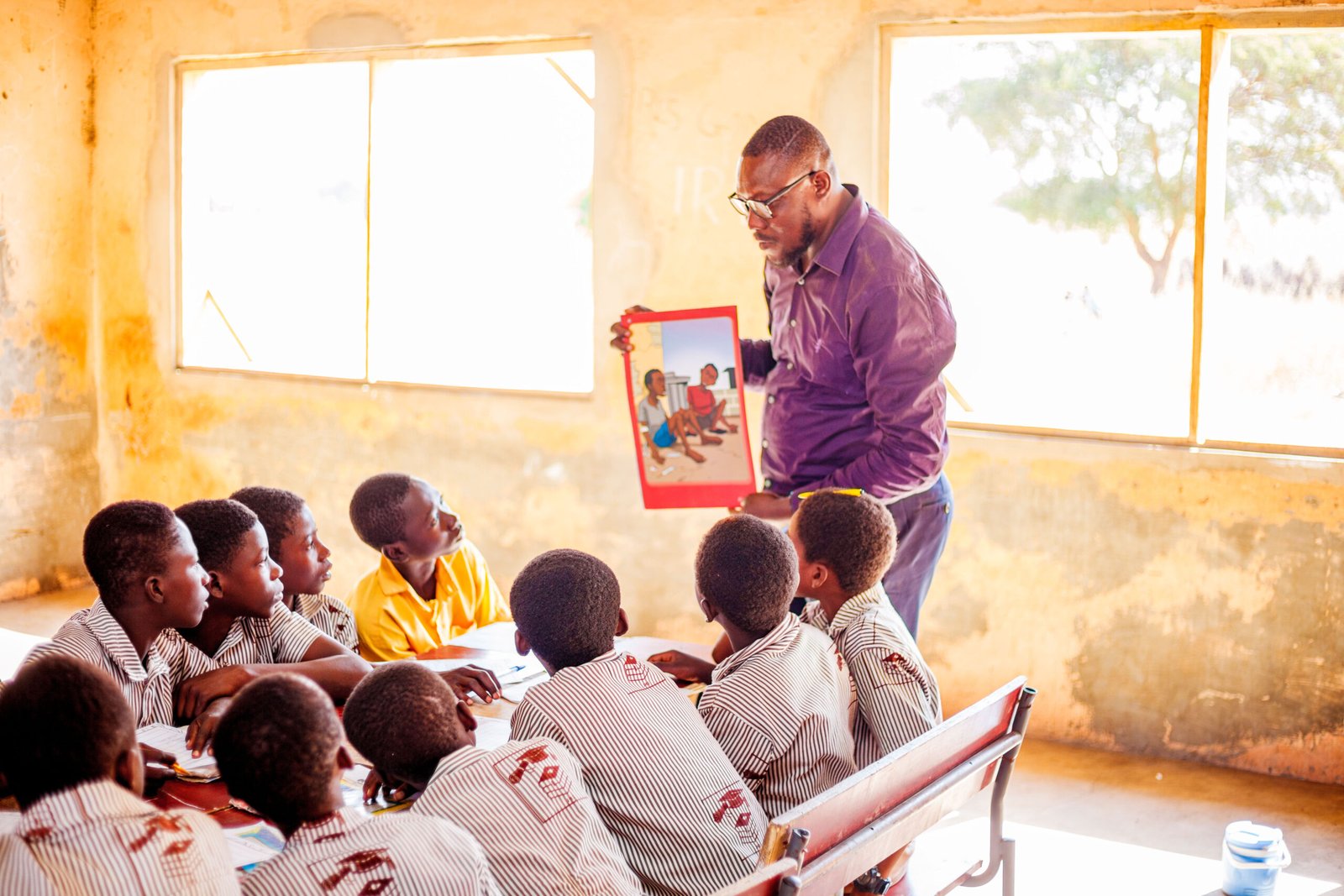
At the heart of sustainable development in Ghana lies a simple truth: when children’s rights are upheld, respected, and protected, education becomes meaningful and transformative. For donors, NGOs, and policymakers committed to advancing child rights, education advocacy, and children’s empowerment, understanding how rights and learning intersect is essential to unlocking equitable opportunities for every child.
Why Child Rights Matter in Ghana’s Schools
Child rights are legally recognised standards that ensure every child has the freedom to grow, learn, play, and participate without fear of abuse, discrimination, or neglect. Globally, child rights frameworks affirm:
-
A right to education that is accessible, inclusive, and of good quality
-
Protection from violence, exploitation, and harmful labour practices
-
Opportunities for children to express themselves and be heard in matters affecting their lives
In Ghana, national policies and international partnerships including UNICEF initiatives supporting child protection and rights education signal a strengthened commitment to embedding these principles into systems that deliver education, protection, and wellbeing for children.
How Homeland Ghana Educational Foundation Supports Child Rights
At Homeland Ghana Educational Foundation, rights and respect are woven into every aspect of our work, reaching schools and communities across the Builsa North District. Our Child Rights Education Project stands as a cornerstone of this commitment.
Many challenges that keep children out of school are rooted in a lack of awareness about their rights. Through workshops:
-
Children learn to identify and claim their rights
-
Facilitators create safe spaces for students to ask questions and build confidence
-
Peer-focused sessions help normalise respect and mutual support in school environments
These sessions are often co-delivered with the District Social Welfare Office, who also signpost and provide students with the resources and ongoing support they need.
Supporting the adults around children
Child rights aren’t upheld by children alone, they require a supportive ecosystem. Homeland supports:
- Teachers to recognise signs of abuse, neglect, and distress, and know how to report concerns and access support for themselves and their students
- Parents and caregivers to understand why education not child labour or abuse secures a child’s future.
- Local authorities to model and enforce respect for children’s rights inside and outside classrooms.
Strengthening safe and supportive learning environments
We collect and report findings from our trainings on children’s perceptions, attitudes, and knowledge before and after sessions. This information helps the District Education Service and the District Social Welfare Office inform and shape district-wide interventions, ensuring that children’s rights and protection are upheld.
Take-Away: Investing in Rights is Investing in Ghana’s Future
Child rights and education are inseparable. Promoting child rights, supporting education advocacy, and implementing programs that focus on children’s rights can help ensure:
Safer schools and communities
More equitable educational access
Resilient children with agency and voice
Long-term economic and social development
Advancing child rights in Ghana requires sustained commitment, strategic partnerships, and targeted investment. Investing in children’s rights today strengthens Ghana’s human capital, social stability, and sustainable development tomorrow.