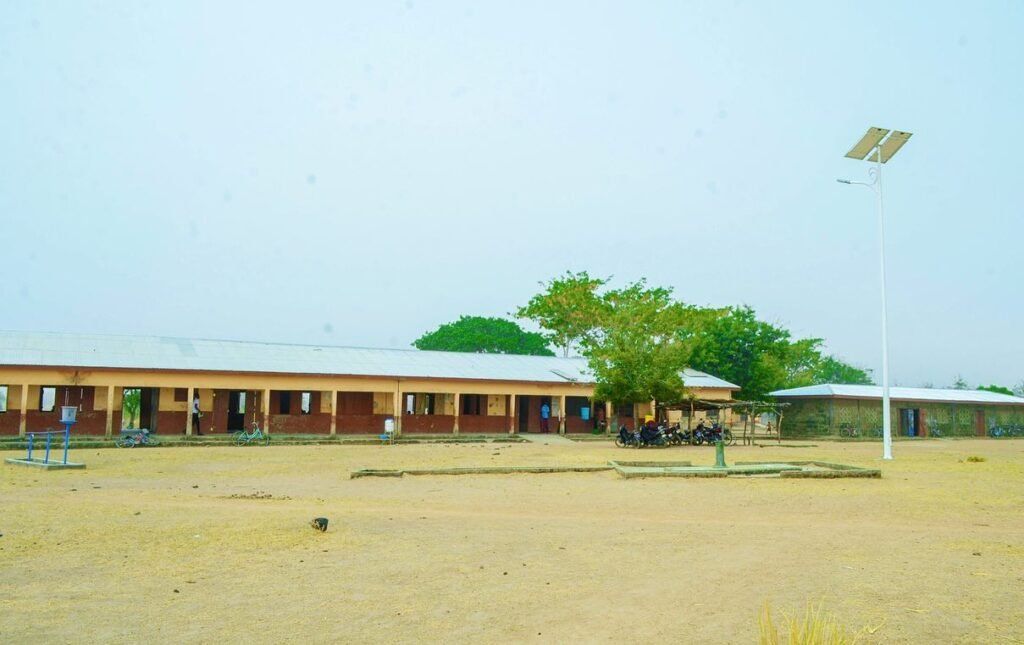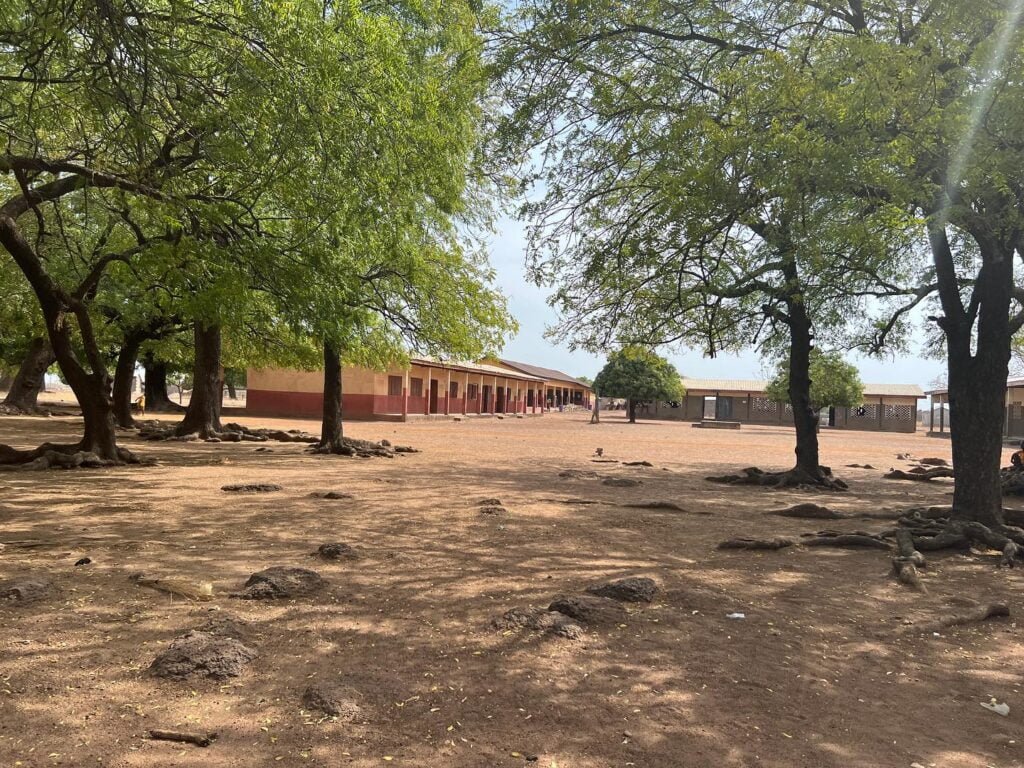
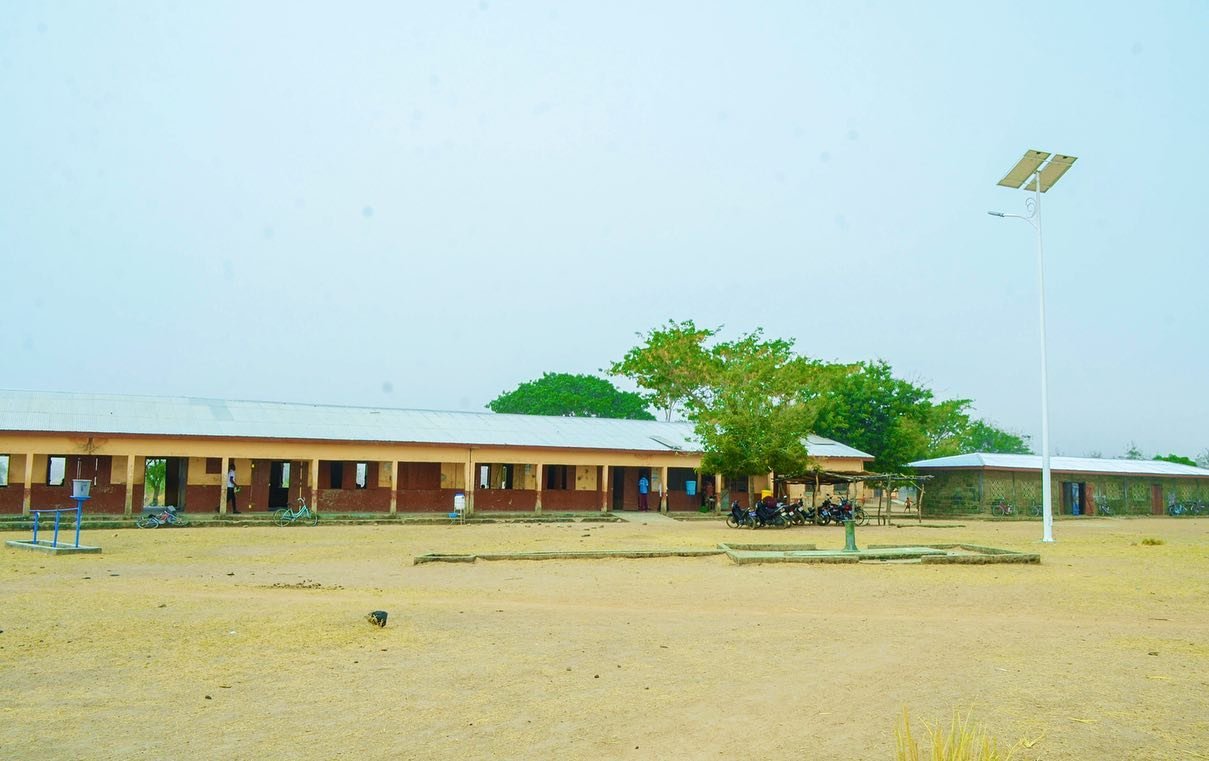
Kori Primary School and Kori Junior High School together form part of the wider Kori Basic School system within the Kori community in the Builsa North Municipal District of the Upper East Region of Ghana. The schools serve children and young people from a predominantly rural and agriculture-based community where farming remains the primary source of livelihood for many families.
The Kori community forms part of the wider Builsa area of northern Ghana, where the dominant ethnic group is the Builsa people and the primary local language spoken is Buli. Like many rural communities within the district, Kori faces ongoing challenges relating to infrastructure, transportation, educational resources, and access to wider learning opportunities.
One of the major challenges affecting both schools and the wider community is the condition of a deteriorated bridge located along the route into Kori. Repair and construction works on the bridge have reportedly stopped and restarted multiple times over close to a decade, creating long-term accessibility challenges for residents, students, and teachers.
The condition of the bridge particularly affects teachers who travel daily from Sandema, the district capital, to teach within the Kori community. In some cases, teachers are forced either to use difficult and unsafe routes through the damaged bridge area or take significantly longer alternative journeys to reach the schools. Despite these challenges, teachers continue travelling daily to teach within the community, demonstrating a strong level of dedication and commitment to their students.
Kori Primary School additionally faces several infrastructure challenges that directly affect teaching and learning conditions. Parts of the school remain incomplete, including two classroom blocks in poor condition. One classroom block remains unfinished without full walls, doors, flooring, or proper sealing, alongside a weak roof structure. A second classroom block, although roofed and enclosed with walls and doors, remains uncemented internally and externally, making it difficult to properly finish, paint, or protect the building from weather conditions.
These conditions can significantly affect learning, particularly during the rainy season when classrooms become more vulnerable to leaks, wind, dust, and interruptions to lessons. The unfinished infrastructure also impacts student comfort and the overall learning environment.
Kori Junior High School has also appeared in public reports relating to educational support within the district. One public report noted that the school received donations of dual desks and teachers’ tables from a philanthropist to support teaching and learning activities.
Both schools are long-standing partner schools of Homeland Ghana and have been involved in several of the organisation’s educational interventions and school-based programmes over the years.
Homeland Ghana first began interventions within the Kori school community in 2020 through its school uniform support project at Kori Primary School. Through this initiative, the organisation provided brand new tailored school uniforms to students who either did not have uniforms or had visibly poor and damaged uniforms. The project aimed to help students feel more confident, included, and prepared for school while reducing stigma and discomfort associated with inadequate school clothing.
Following this intervention, schools within the Kori community became part of Homeland Ghana’s wider educational support programmes. Students began receiving termly school supplies including exercise books, pens, pencils, and other essential learning materials to support classroom participation and reduce some of the financial burden on families and teachers.
Around 2023, Kori Junior High School also became part of Homeland Ghana’s menstrual hygiene support programme. Through this initiative, girls received regular access to sanitary products and menstrual health support aimed at reducing absenteeism barriers, improving participation, and strengthening girls’ wellbeing and confidence within the school environment.
Students from both Kori Primary School and Kori Junior High School have since participated in Homeland Ghana’s wider educational workshops and experiential learning programmes, including LEGO workshops, puzzles, collaborative educational games, safeguarding sessions, and child rights workshops delivered in partnership with the Social Welfare Department. Through these activities, students have been introduced to teamwork, creativity, problem-solving, communication skills, child protection awareness, and interactive learning opportunities beyond the traditional classroom environment.
Through these long-term interventions, Kori Primary and Junior High School continue to form an important part of Homeland Ghana’s wider commitment to strengthening access to quality basic education, safeguarding, and student wellbeing across underserved rural communities within the Builsa North District.