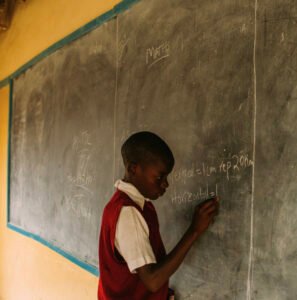
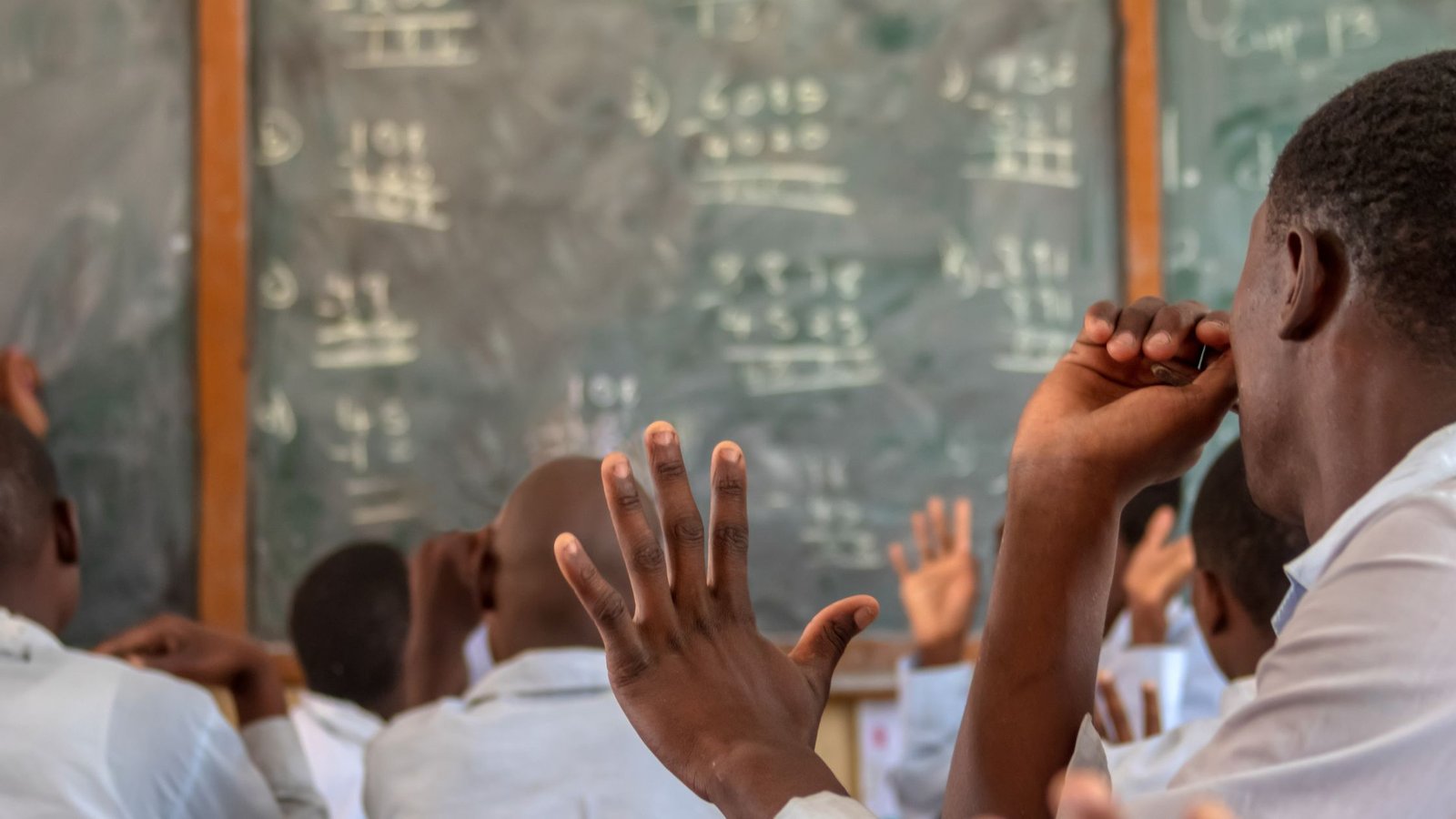
The boy child can carry invisible burdens: fear of failure, peer pressure, and sometimes the weight of responsibilities at home. Some mask anxiety with jokes, bravado, or silence, and classrooms can mistake this for defiance or disinterest. These are boys we sometimes overlook, not because they are invisible, but because they have learned to hide what they are experiencing.
Some boys walk into classrooms carrying pressures from family and society that no textbook prepares them for. Behind their jokes, bravado, or silence can be struggles that shape whether they engage, succeed, or remain confident in school. These challenges do not always appear in school reports or policy discussions, but they can influence boys’ learning experiences.
Before lesson begins, some boys may already be navigating questions from their peers:
Will I fit in? Will I be mocked for asking questions? Will I look weak if I struggle?
The pressure can sometimes push boys to prioritise image over learning. Some may avoid subjects that challenge them, sit quietly when confused, or act out to hide fear of failure. Over time, these small moments can affect how boys experience school and learning.
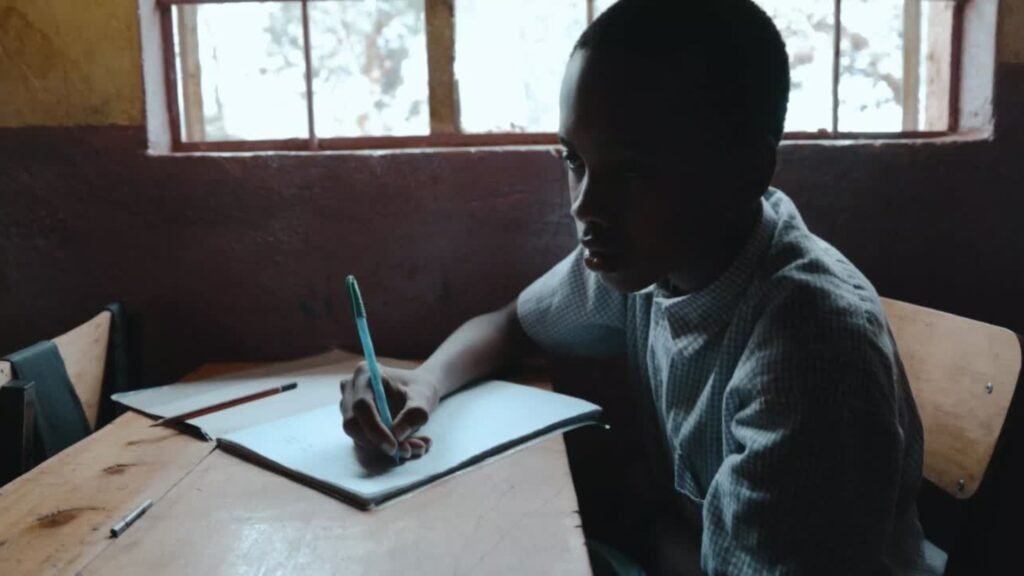
Why boys education in Ghana is affected by social expectations
Some boys move through school without positive male role models, and this gap can become visible in the classroom. In a society where boys are often taught to “be strong,” some rely on behavioural patterns they see at home or in their communities. When boys grow up in environments where harsh discipline or emotional silence is common, they may carry some of these patterns into school.
Their behaviour can sometimes reflect both their environment and unmet needs. Loudness may mask insecurity, withdrawal may signal uncertainty, and anger can sometimes cover anxiety.
Research across West Africa suggests that boys may be more likely to externalise stress in the classroom when they lack emotional guidance and positive role models (UNESCO, Leave No Child Behind: Boys’ Disengagement and Disadvantage in Education).
This highlights the importance of strong support systems in schools: structured mentorship, teachers trained in socio-emotional learning, and environments where boys can ask questions, understand their emotions, and engage in learning without feeling pressure to appear strong.
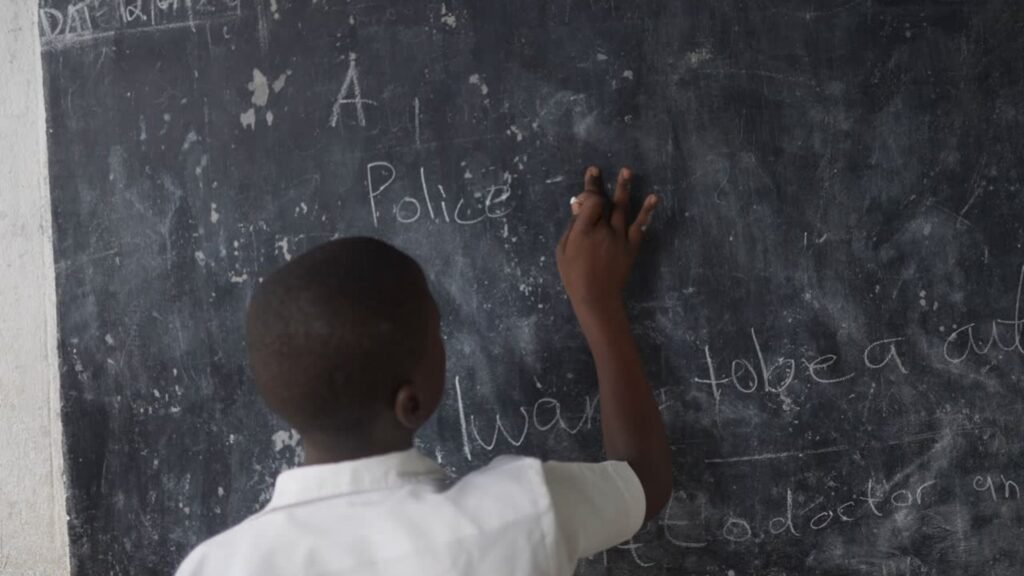
Supporting boys education in Ghana through schools and communities
Supporting boys’ education requires approaches that recognise both academic and emotional needs. Many boys need safe spaces where they can express themselves without fear of judgement.
Some common challenges include:
- Pressure to appear strong or unemotional
- Fear of failure or embarrassment in class
- Lack of positive male role models
- Difficulty managing stress or expectations
These factors can influence engagement, performance, and long-term educational outcomes.
Supporting boys education in Ghana through schools and communities
Improving boys’ learning outcomes requires a holistic approach that includes schools, families, and communities.
Key strategies include:
The following approaches are commonly discussed in education research and practice:
- Integrating SEL into daily teaching can help boys understand their emotions, manage pressure, and develop healthier coping skills. It may also help reduce classroom conflict and support better concentration.
- Some boys benefit from mentors who model empathy, discipline, and resilience. Expanding community-based and school-based mentorship can connect boys with guidance they may not always receive elsewhere.
- Access to trained counsellors can help schools identify stress, behavioural signals, and early signs of disengagement. Support services allow students to receive guidance rather than only discipline.
Community workshops that explore positive discipline, emotional communication, and supportive parenting can help strengthen the home learning environment.
- Study clubs, homework support, and flexible learning opportunities can help boys who contribute to family responsibilities while continuing their education.
Open discussions, school clubs, and peer dialogue can help boys reflect on social expectations around toughness and emotional silence. Creating safe spaces for discussion can support both learning and well-being.
- Teacher training can help educators recognise that behaviour may sometimes signal stress, confusion, fear, or conflict. This can encourage more supportive classroom responses.
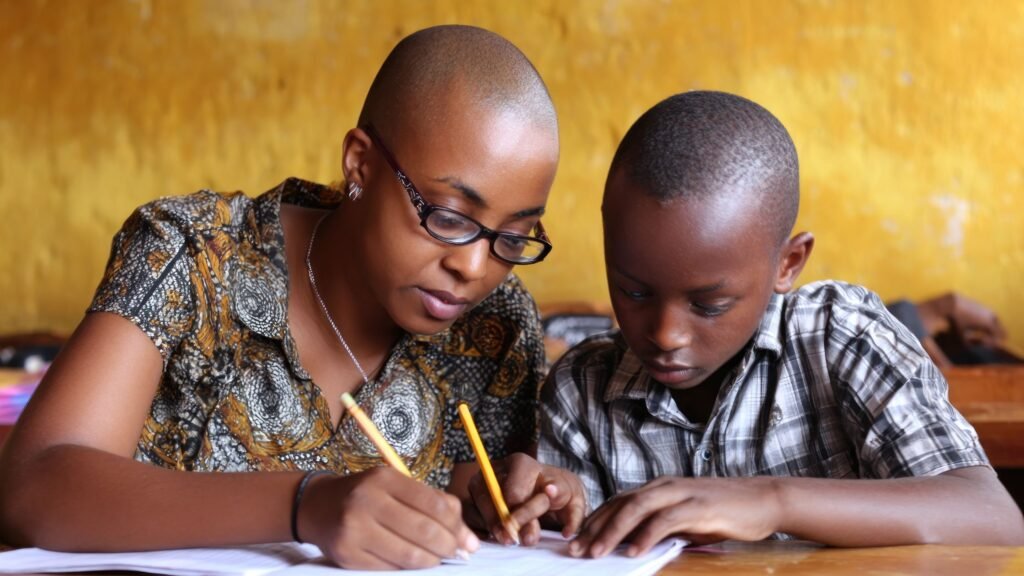
A shared responsibility in improving boys education in Ghana
Some organisations, including Homeland Ghana, have observed how intentional and supportive approaches can make a difference. Lasting change, however, depends on alignment across schools, communities, families, and policy.
Improving boys education in Ghana is about creating environments where boys feel safe, supported, and able to learn without hiding their struggles.