Ghana’s 2026 national budget introduces a landmark intervention aimed at strengthening basic education by providing free textbooks and learning materials to learners across the country. Announced by Finance Minister Dr. Cassiel Ato Forson, the initiative mandates the Ghana Publishing Company Limited (GPCL) to produce millions of curriculum-aligned textbooks and workbooks for kindergarten, primary, and junior high school learners.
This move addresses persistent shortages of educational resources and underscores the government’s commitment to improving foundational learning outcomes for all Ghanaian children.
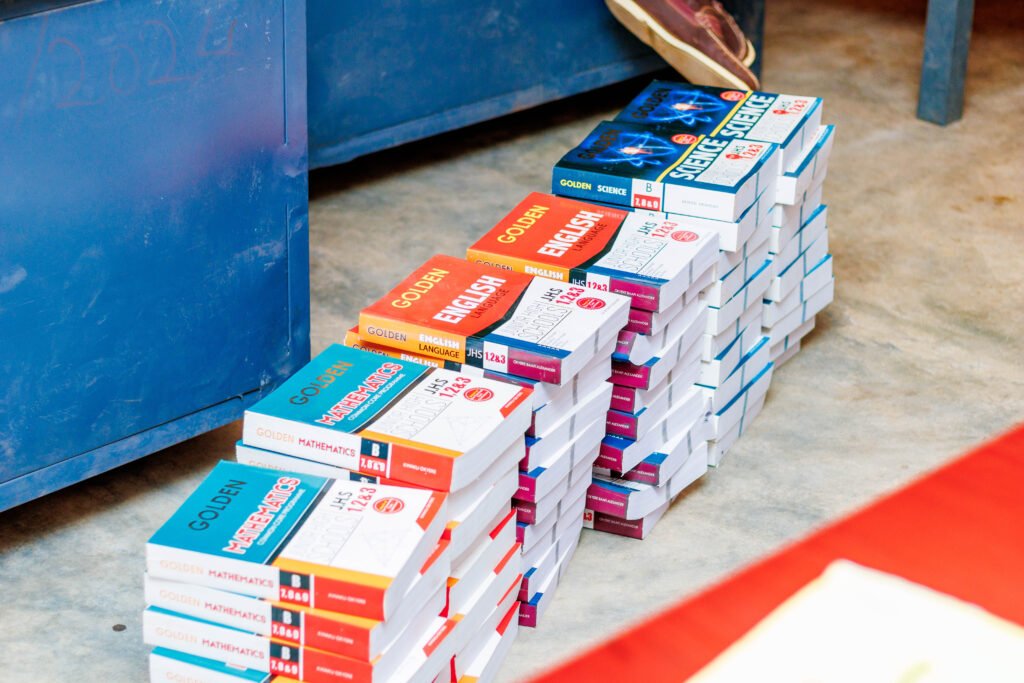
Under the 2026 budget:
-
Kindergarten learners (ages 4–6)
1 million pupils to receive four sets of books and workbooks each. -
Primary school learners (ages 6–12)
2 million students to receive four sets of textbooks each. -
Junior High School 3 learners (ages 13–17)
1 million students to receive nine different textbooks relevant to their curriculum level.
GPCL has expanded its printing operations, introduced additional shifts, and strengthened quality control to ensure the large-scale rollout is executed efficiently. This initiative also supports local industry growth, strengthening Ghana’s printing and publishing sector.
Why textbook access Matters
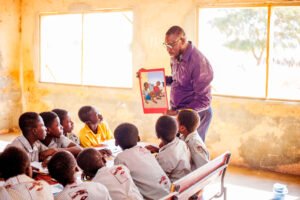
Many schools, particularly in rural and underserved communities, have struggled with insufficient textbooks, forcing pupils to share books or study without essential materials. Free textbooks can:
-
-
Improve literacy and numeracy outcomes
-
-
-
Improve classroom engagement and lesson delivery
-
-
-
Reduce educational inequalities between urban and rural areas
-
-
-
Support effective implementation of the standards-based curriculum
-
By prioritising foundational learning, the government aims to create equitable opportunities and strengthen the quality of basic education.
Perspectives from across the education system
Teachers and school adminstrators have welcomed the programme as a solution to long-standing material shortages. Consistent textbook access helps teachers plan lessons and maintain structured classroom instruction.
NGOs and Education Advocacy Groups see the initiative as aligned with evidence that access to personal learning resources significantly improves learning outcomes. They emphasise monitoring to ensure equitable distribution.
Education analysts highlight that while textbooks are essential, complementary measures like teacher training, supervision, and pedagogical support are necessary for meaningful learning improvements.
Parents and communities are optimistic about the programme’s potential to reduce financial burdens and improve student engagement, especially in low-income areas.
How this fits within the wider 2026 education budget
The textbook initiative complements broader reforms, including:
-
-
Construction of new classrooms and schools
-
-
-
Provision of teacher accommodations and improved facilities
-
-
-
Investments in learning environment enhancements
-
These measures collectively aim to strengthen access, equity, and learning quality across the basic education system.
The 2026 free textbook programme represents an important step within Ghana’s basic education system. By improving access to curriculum-aligned learning materials, the initiative aims to support foundational learning and reduce some of the barriers students face in the classroom.
If implemented effectively alongside investments in infrastructure and teacher support, the programme could strengthen everyday learning experiences for many children across the country.